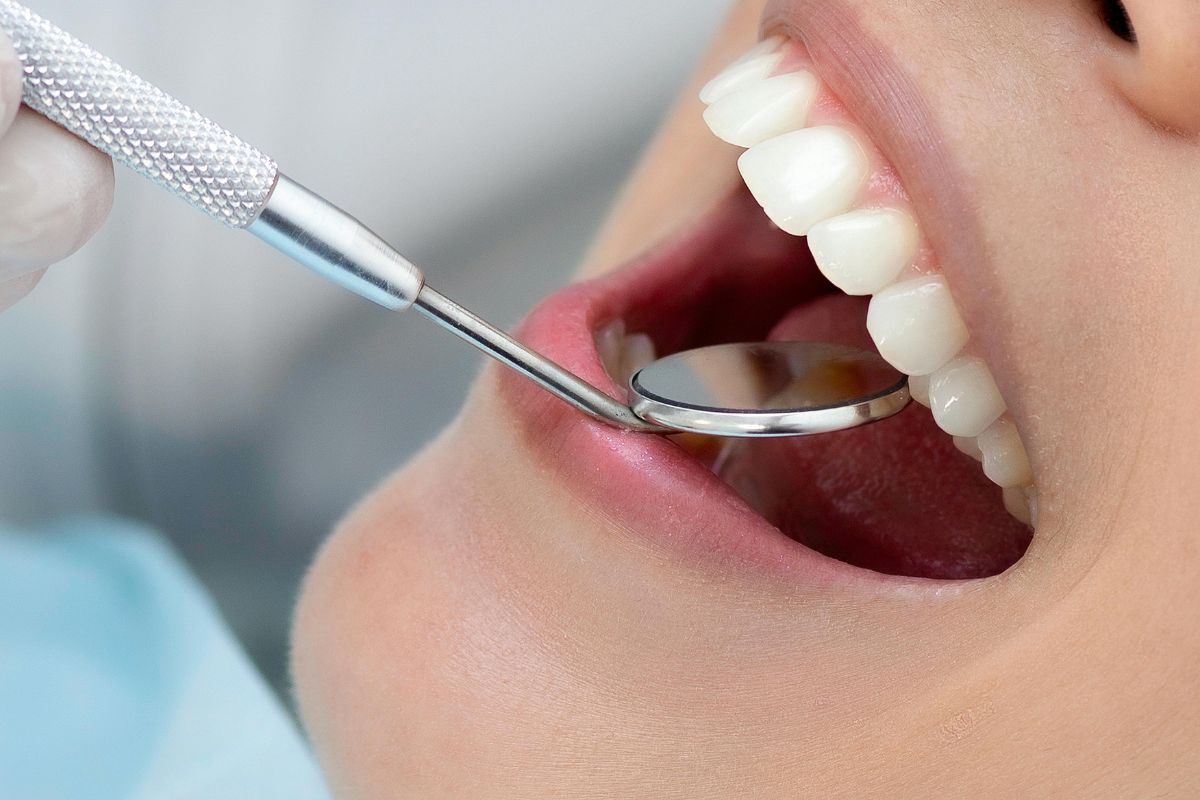
Loose teeth and difficulty chewing can make everyday meals uncomfortable. You may notice that certain foods feel harder to bite, your teeth seem to move, or your gums bleed more often than before. At Legacy Dental SA in San Antonio, Dr. Brian L. Eck can assess these symptoms and help determine whether gum disease or another dental problem affects your ability to chew comfortably.
Adult teeth should not become loose without a reason. Gum disease is one possible cause, but tooth injuries, grinding, and other conditions can also affect tooth stability. Therefore, a dental examination is important, especially when the symptoms develop gradually or continue to worsen.
How Can Gum Disease Cause Loose Teeth and Difficulty Chewing?
Gum disease affects the tissues that support your teeth. It often begins when plaque builds up along the gumline. Plaque contains bacteria that can irritate the gums and cause inflammation.
In its early stage, gum disease may cause redness, swelling, and bleeding. At this point, the damage may remain limited to the gums. However, untreated disease can progress and affect the bone and supporting tissues around the teeth.
As this support weakens, teeth may begin to move. You might notice a change in your bite or discomfort when eating firm foods. In advanced cases, teeth can become loose enough to affect normal chewing.
An experienced dentist can examine the gums, assess tooth stability, and determine whether periodontal treatment is needed. Early assessment is especially important because gum disease may progress without causing severe pain.
Warning Signs That Gum Disease May Be Affecting Your Teeth
Loose teeth are not the only sign of periodontal disease. Other symptoms may appear before you notice movement.
Look for these warning signs:
-
Bleeding gums: Your gums bleed when brushing or cleaning between your teeth.
-
Swollen or tender gums: The gum tissue appears red or feels sore.
-
Persistent bad breath: An unpleasant smell or taste remains despite regular brushing.
-
Gum recession: Your teeth appear longer because the gumline has moved.
-
Spaces between teeth: New gaps develop as the teeth shift.
-
Bite changes: Your teeth meet differently when you close your mouth.
-
Pus near the gums: Fluid appears around a tooth or along the gumline.
These symptoms do not prove that gum disease is the cause. Nevertheless, they are reasons to seek an examination.
Some people have periodontal disease with little discomfort. As a result, waiting for pain can allow the condition to progress. Regular dental visits help identify gum changes before they cause more serious problems.
Other Reasons Teeth May Become Loose
Although gum disease is a common concern, it is not the only possible cause. The dentist will consider your symptoms, dental history, and examination findings before recommending treatment.
1. Injury or trauma
A fall, sports injury, or blow to the mouth can damage the tissues around a tooth. Even if the tooth looks normal, an injury may affect its stability.
If a tooth becomes loose after an accident, seek prompt dental care. Avoid testing the tooth by pushing it with your tongue or fingers. The dentist can check for damage and determine whether the tooth needs stabilization.
2. Teeth grinding and clenching
Grinding or clenching places repeated pressure on the teeth and jaw. Over time, this pressure may contribute to wear, sensitivity, jaw discomfort, and problems with existing dental work.
People who grind their teeth may notice flattened tooth edges or soreness when they wake up. However, these symptoms can have other causes, so a professional assessment is useful.
Depending on the findings, a dentist may recommend a custom night guard or other measures to reduce excessive pressure.
3. Dental infection
An infection inside a tooth or in the surrounding tissues can cause pain, swelling, and tenderness when biting. In some cases, the tooth may feel different or appear more mobile.
A dental abscess needs prompt treatment. Do not try to drain swelling yourself or rely on pain relief alone to resolve the underlying problem.
4. Changes in tooth support
Previous dental problems, missing teeth, and changes in the bite can affect how pressure travels through the mouth. In some cases, these changes contribute to discomfort or movement.
A dentist may use X-rays and a clinical examination to determine whether the tooth’s supporting structures remain healthy.
How Dentists Diagnose Gum Disease and Tooth Mobility
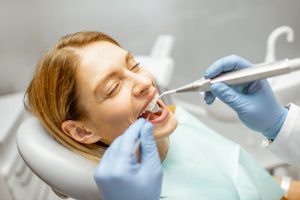
Diagnosis begins with a review of your symptoms. The dentist may ask when the movement started, which foods cause discomfort, and whether you have noticed bleeding, swelling, or a recent injury.
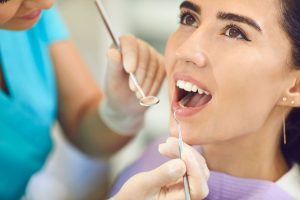
The examination may include several checks:
Gum measurements: A dental professional measures the spaces between the gums and teeth. Deeper pockets can indicate periodontal damage.
Tooth mobility: The dentist checks whether individual teeth move more than expected.
Bite assessment: The dentist examines how the upper and lower teeth meet during biting and chewing.
Dental X-rays: Images can reveal bone loss, infections, and other problems beneath the gumline.
These findings help distinguish gum disease from other conditions. They also help the dentist determine the severity of the problem and whether specialist care may be appropriate.
Treatment Options for Loose Teeth and Gum Problems
Treatment depends on the cause and the amount of support the affected teeth have lost. The main goal is to control the underlying problem and preserve healthy teeth whenever possible.
Professional cleaning and periodontal treatment
If plaque and tartar contribute to gum inflammation, professional cleaning can help remove these deposits. When deeper pockets develop, the dentist may recommend scaling and root planing, which cleans beneath the gumline.
After treatment, regular maintenance visits help control bacterial buildup and monitor the gums. Good home care remains essential because gum disease can return without consistent maintenance.
Treating infection
If an infection affects a tooth or surrounding tissue, treatment may involve draining the infection, root canal treatment, or removing the affected tooth when it cannot be saved. Antibiotics may be appropriate in certain cases, but they do not replace necessary dental treatment.
The dentist will select treatment based on the source and extent of the infection.
Stabilizing a mobile tooth
In selected cases, a dentist may use a splint to connect a loose tooth to nearby teeth. This can reduce movement while the underlying condition receives treatment.
However, splinting does not repair lost bone or cure gum disease by itself. The dentist must first evaluate the cause and long-term outlook for the affected teeth.
Managing bite pressure
If grinding or an uneven bite contributes to the problem, the dentist may recommend a protective night guard or other bite-related treatment. The appropriate plan depends on the condition of the teeth and supporting tissues.
Considering replacement options
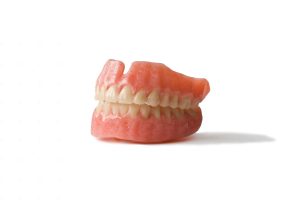
Sometimes, a tooth has lost too much support to remain healthy. If removal becomes necessary, the dentist can discuss replacement options, such as a dental implant, bridge, or removable partial denture.
The best choice depends on your overall oral health, bone support, neighboring teeth, and treatment goals.
What Can You Do at Home to Protect Your Teeth?
Home care helps control plaque and supports treatment, but it cannot reverse every form of periodontal damage.
-
Brush gently twice daily with fluoride toothpaste.
-
Clean between teeth every day using suitable floss or interdental brushes.
-
Choose softer foods if chewing causes discomfort.
-
Avoid biting hard foods with a loose or painful tooth.
-
Do not pull, push, or attempt to reposition a loose tooth.
-
Avoid smoking and tobacco products.
-
Keep follow-up appointments after periodontal treatment.
If your gums bleed, do not stop cleaning the area entirely. Instead, use a gentle technique and ask your dentist for advice. Persistent bleeding needs assessment rather than neglect.
Seek prompt care if a tooth suddenly becomes loose, particularly after an injury. Facial swelling, fever, or worsening pain may indicate an urgent infection. Difficulty breathing or swallowing requires emergency medical care.
Loose teeth and chewing problems can result from gum disease, injury, grinding, or infection. The right treatment depends on identifying the cause and assessing how much support the affected teeth retain. Early care may help control gum disease, reduce discomfort, and preserve natural teeth.
For a professional evaluation with Dr. Brian L. Eck, Schedule your appointment at Legacy Dental SA in San Antonio to discuss your symptoms and treatment options.