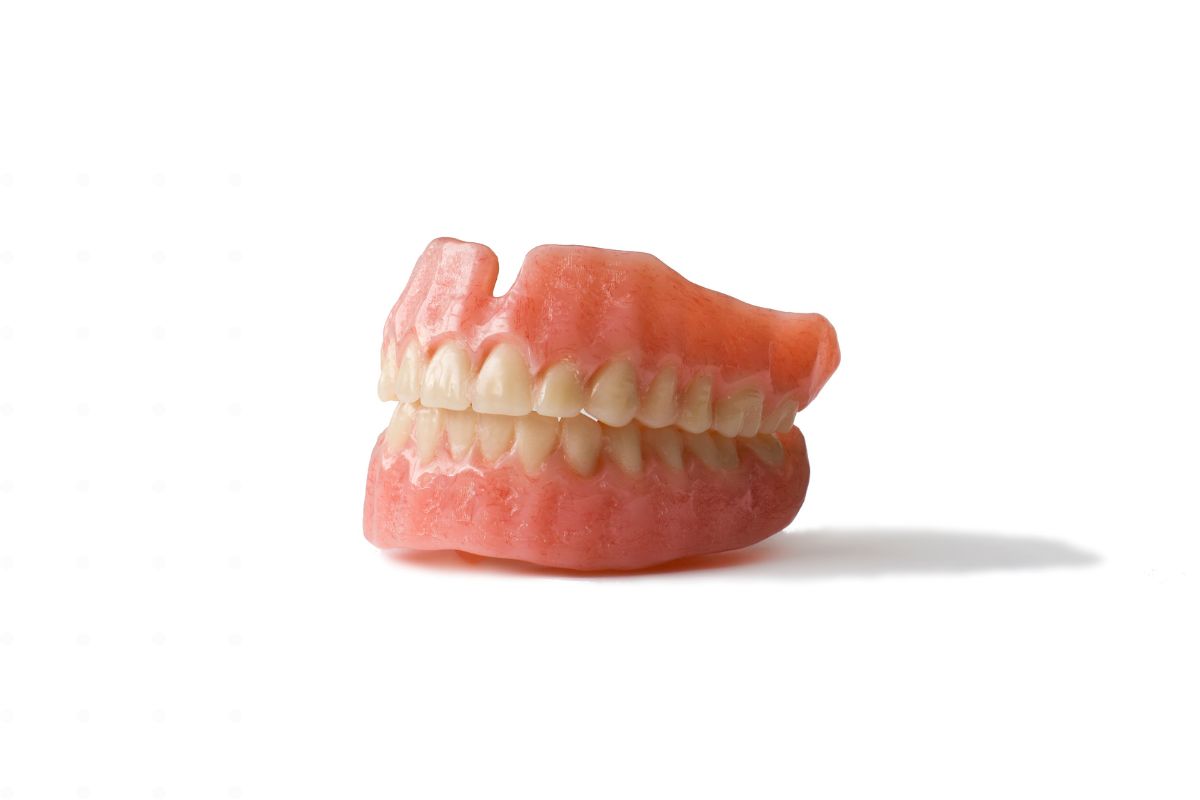
Dentures help replace missing teeth and restore important functions such as chewing and speaking. However, dentures that slip, shift, or feel unstable can make everyday activities uncomfortable. They may also cause sore spots, affect confidence, and make it difficult to enjoy meals.
Loose dentures are a common concern, especially as the mouth changes over time. Several treatment options can improve denture fit and comfort. Understanding why dentures become loose can help you determine when to seek professional care and which solutions may be appropriate.
At Legacy Dental SA in San Antonio, patients can explore full and partial dentures and discuss concerns about the fit of their existing restorations. When dentures no longer fit comfortably, a dental professional can determine whether an adjustment, reline, replacement, or another solution is appropriate. Patients can explore available denture treatment options to better understand the approaches used to restore comfort and stability.
Why Do Dentures Become Loose?
Dentures are designed to fit the shape of your gums and the supporting tissues. However, the mouth is not static. Changes in the jawbone, gums, and surrounding structures can gradually affect how well dentures stay in place.
Natural Changes in the Jawbone and Gums
After teeth are lost, the jawbone in the affected areas can gradually shrink because it no longer receives the same stimulation from natural tooth roots. As the shape of the jaw changes, dentures that once fit comfortably may start to move.
These changes can occur even when you clean your dentures properly. Regular dental evaluations help determine whether the fit needs to be adjusted or the dentures need to be replaced.
Worn or Damaged Dentures
Dentures experience everyday wear from chewing, cleaning, and repeated use. Over time, the denture base or teeth may wear down, crack, or become damaged.
A damaged or worn denture may no longer distribute chewing forces properly. If your dentures have visible cracks, sharp edges, or persistent instability, have them evaluated instead of trying to repair them at home.
Changes in Weight or Oral Tissues
Significant changes in body weight can sometimes affect the fit of dentures. Changes in the gums and other soft tissues can also influence how the denture sits in the mouth.
If your dentures suddenly feel different, a dental examination can help identify whether changes in the supporting tissues or the denture itself are responsible.
Improper Fit From the Beginning
New dentures can require an adjustment period as your mouth adapts to them. However, persistent slipping, pain, or difficulty chewing should not be dismissed as a normal part of the process.
Your dentist can assess the fit and determine whether minor adjustments, relining, or a different treatment approach is needed.
Signs Your Dentures May Need Adjustment
Dentures do not always become loose all at once. You may notice gradual changes in comfort or stability before the problem becomes more disruptive.
Common warning signs include:
- Dentures slipping when you talk, laugh, or eat.
- Food frequently becoming trapped beneath the denture.
- Sore spots or irritation along the gums.
- Difficulty chewing foods that were previously comfortable.
- Clicking sounds or movement while speaking.
- A need for increasing amounts of denture adhesive.
- Changes in your speech because the dentures move.
If you experience persistent pain, mouth sores that do not heal, or sudden changes in denture fit, arrange a dental evaluation.
How Can You Fix Loose Dentures?
The right solution depends on why your dentures are moving. A dentist can examine the denture and your oral tissues before recommending treatment.
1. Have Your Dentures Professionally Adjusted
Minor fit problems may sometimes be corrected by adjusting areas of the denture that create pressure or interfere with stability.
These adjustments can help reduce irritation and improve comfort. However, adjustments cannot correct every problem, particularly when significant changes have occurred in the jawbone or denture base.
Never trim, bend, or reshape your dentures yourself. Home modifications can damage the restoration and make the fit worse.
2. Consider Denture Relining
Denture relining involves modifying the inner surface of an existing denture so it fits the current shape of your gums more closely.
A dentist may recommend relining when the denture remains in good condition but the supporting tissues have changed. The procedure can improve contact between the denture and the gums, helping it feel more stable.
Relining is not suitable for every denture. If the restoration is significantly worn, damaged, or poorly designed, replacement may be a better option.
3. Replace Old or Poorly Fitting Dentures
Sometimes, the most effective solution is a new set of dentures. Replacement may be appropriate when the existing dentures are damaged, worn, or no longer fit well despite adjustments.
New dentures are designed around the current shape of your mouth and your functional needs. Your dentist can explain the process, expected adjustment period, and care instructions.
4. Ask About Denture Adhesives
Denture adhesives can provide additional retention for some patients when used according to product instructions. They may help improve stability during eating and speaking.
However, adhesives should not be used to compensate for dentures that fit poorly or cause pain. If you need increasingly large amounts of adhesive to keep your dentures in place, have the fit checked by a dental professional.
Follow the product directions and ask your dentist or pharmacist if you are unsure which product is appropriate.
5. Explore Implant-Retained Dentures
For some patients, implant-retained dentures may provide greater stability than conventional removable dentures. Dental implants are placed in the jawbone and used to help secure the denture.
Depending on the design, the denture may attach to the implants through special connectors. Some options remain removable for cleaning, while other implant-supported restorations are designed to stay fixed in place.
Implant treatment requires an evaluation of your oral health, jawbone support, medical history, and personal needs. Your dentist can explain whether this approach is suitable and what treatment may involve.
What Can You Do at Home to Improve Denture Comfort?
Although home care cannot correct every fit problem, a few habits can make wearing dentures more comfortable.
- Clean your dentures daily using products designed for them.
- Remove and store your dentures according to your dentist’s instructions.
- Follow the recommended wearing schedule, including nighttime removal when advised.
- Choose softer foods while adjusting to new dentures.
- Cut food into smaller pieces and chew slowly on both sides of your mouth.
- Avoid using hot water, household glue, or sharp tools to modify dentures.
- Keep follow-up appointments so your dentist can assess the fit.
If your dentures cause pain, avoid forcing yourself to continue wearing them without advice. Contact your dental professional for guidance.
When Should You See a Dentist About Loose Dentures?
Schedule an evaluation if your dentures repeatedly slip, cause sore spots, or make chewing difficult. You should also seek care if you notice cracks, sharp edges, persistent irritation, or changes in the shape of your mouth.
Sudden swelling, severe pain, or signs of infection require prompt professional attention. An examination can help distinguish a denture fit problem from another condition affecting your gums or oral tissues.
Restore Comfort and Confidence With Better-Fitting Dentures
Loose dentures can interfere with meals, speech, and everyday confidence, but you do not have to accept ongoing discomfort. Professional adjustments, relining, replacement dentures, or implant-retained options may help improve stability, depending on your needs.
If your dentures no longer fit comfortably, Schedule your appointment with Legacy Dental SA in San Antonio to discuss your concerns and explore suitable options for a more comfortable fit.