Gaps between teeth with age can develop gradually, even if your smile looked different when you were younger. You may notice new spaces near the front teeth, food getting trapped more often, or changes in how your teeth meet. At Legacy Dental SA in San Antonio, Dr. Brian L. Eck can help identify the cause of these changes and discuss suitable treatment options.
Not every gap needs correction. However, a new or widening space may point to a change in gum health, tooth position, or the way your teeth handle everyday pressure. Understanding the cause is the first step toward choosing the right approach.
Why Do Gaps Between Teeth Become More Noticeable Over Time?
Teeth can shift throughout adulthood. Although the changes may happen slowly, small movements can gradually create visible spaces.
Several factors may contribute. Gum disease can damage the tissues and bone that support teeth. Teeth may also move because of bite pressure, tooth loss, or changes in the forces acting on the dental arch.
In some cases, a gap becomes more noticeable because the gums recede. This can expose more of the tooth roots and create dark spaces near the gumline. These spaces may look different from gaps between the crowns of the teeth.
If you are considering treatment, cosmetic dental treatments may offer options for improving the appearance of your smile. However, the dentist should first determine whether the spaces reflect an underlying oral health problem.
Common Causes of New or Widening Tooth Gaps
The location of a gap and how quickly it develops can offer useful clues. A dental examination helps confirm the reason for the change.
1. Gum disease and loss of tooth support
Gum disease begins with inflammation caused by plaque buildup. Without proper care, it can damage the tissues and bone that support your teeth.
As support weakens, teeth may become loose or shift away from their usual positions. Spaces can then appear between teeth that once touched.
Watch for other symptoms, including:
-
Gums that bleed during brushing.
-
Persistent bad breath.
-
Red, swollen, or tender gums.
-
Teeth that appear longer because of gum recession.
-
Changes in the way your teeth fit together.
Gum disease does not always cause pain in its early stages. Therefore, new spaces should not be dismissed simply because the gums feel normal.
2. Natural tooth movement
Teeth do not remain perfectly still throughout life. Changes in bite forces and pressure from neighboring teeth can gradually affect their position.
For example, the lower front teeth may crowd or shift over time. In other cases, a space between the upper front teeth may become more visible.
However, normal movement is not the only explanation. A dentist should assess new gaps, especially when several teeth seem to move or the change happens quickly.
3. Missing teeth
When a tooth is lost, nearby teeth may move toward the empty space. Teeth in the opposite arch may also shift because they no longer meet a tooth during chewing.
These changes can alter the bite and create spaces elsewhere in the mouth. In addition, the jawbone in the area of a missing tooth may gradually change because it no longer receives the same stimulation.
Replacing a missing tooth may help restore chewing function and limit unwanted movement. The right option depends on your oral health, the location of the gap, and the condition of the neighboring teeth.
4. Gum recession
Gum recession exposes more of a tooth’s surface near the root. As the gumline changes, small dark spaces may appear between teeth.
Recession can result from gum disease, brushing too aggressively, or other factors. It can also make teeth more sensitive to cold foods and drinks.
Importantly, gum recession and movement between teeth are not the same problem. Treatment must address the cause rather than focusing only on how the smile looks.
5. Tooth wear and bite changes
Teeth can wear down from grinding, clenching, or everyday use. Over time, changes in tooth shape may affect the way neighboring teeth contact each other.
A bite that places uneven pressure on certain teeth may also contribute to movement. Consequently, a dentist may examine your bite and ask about jaw tension, headaches, or signs of nighttime grinding.
When Should You Be Concerned About Tooth Gaps?
A small gap that has remained unchanged for years may simply be part of your natural smile. However, a new gap or a space that continues to widen deserves attention.
Arrange a dental examination if you notice:
-
A gap developing over weeks or months.
-
Teeth that feel loose or move while chewing.
-
Bleeding, swollen, or receding gums.
-
Food becoming trapped in new spaces.
-
Pain when biting or changes in your bite.
-
A missing tooth followed by movement in nearby teeth.
Why early assessment matters: If gum disease causes the change, treatment may help protect the remaining tooth support. If the problem involves shifting teeth, the dentist can determine whether bite correction or orthodontic treatment may help.
Seek urgent dental care if a tooth suddenly becomes loose after an injury or you develop severe pain or significant swelling.
How a Dentist Identifies the Cause
The dentist will ask when you first noticed the gap and whether it has changed. You may also be asked about gum bleeding, tooth loss, grinding, and previous orthodontic treatment.
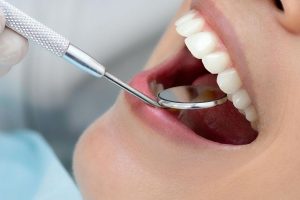
During the examination, the dentist may assess the gumline, tooth mobility, bite, and spaces between teeth. Dental X-rays may help identify bone changes, hidden decay, or other issues that cannot be seen directly.
The findings guide the treatment plan. For example, a patient with healthy gums and stable teeth may be suitable for cosmetic treatment. In contrast, a patient with active gum disease will usually need periodontal care before any cosmetic work begins.
This approach helps address the cause instead of covering up a symptom.
Treatment Options for Gaps Between Teeth
The best treatment depends on the size and location of the gaps, the health of your gums, and your goals.
Cosmetic bonding
Dental bonding uses tooth-colored material to change the shape of a tooth and close a small gap. It may suit patients who want a conservative cosmetic option.
The dentist applies and shapes the material to create a more balanced appearance. However, bonding may chip or stain over time and may require maintenance.
Veneers
Veneers cover the front surfaces of selected teeth. They can change the appearance of tooth shape, color, and spacing.
Veneers are not suitable for every patient. The dentist must consider enamel condition, bite forces, and gum health before recommending them.
Orthodontic treatment
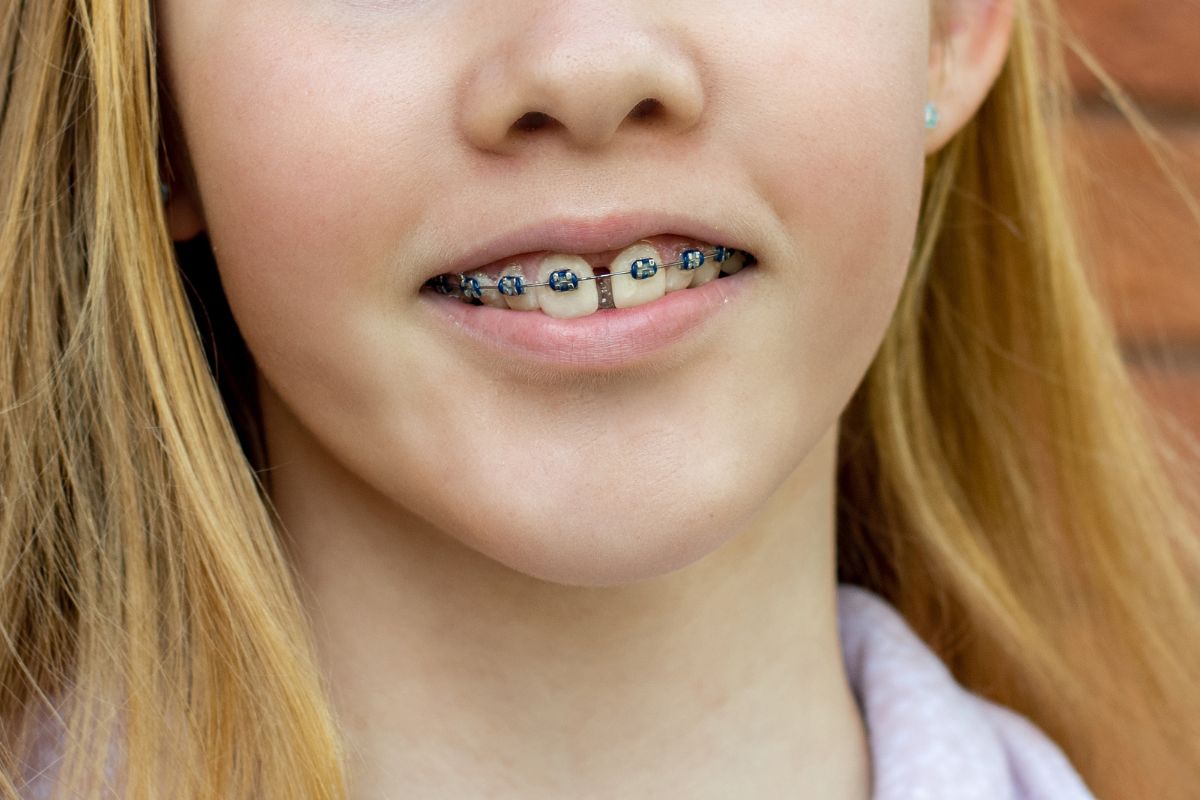
Clear aligners or braces can move teeth into a different position. These options may help when several teeth have shifted or the gaps result from alignment problems.
However, orthodontic treatment should follow an assessment of gum health. Teeth need adequate support before they are moved.
Gum disease treatment
If periodontal disease causes gaps or tooth movement, treatment focuses on controlling infection and protecting the remaining support. This may include professional cleaning, deeper periodontal cleaning, and a long-term maintenance plan.
Cosmetic correction may be considered later, once the gum condition is stable.
Replacing missing teeth
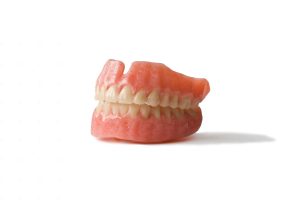
If a missing tooth contributes to changes in spacing, a bridge, dental implant, or another suitable replacement may help restore function. The dentist will assess the available bone, adjacent teeth, and overall oral health before discussing options.
Can You Prevent Gaps From Getting Worse?
You cannot prevent every age-related change, but you can protect your teeth and gums.
-
Brush twice daily with fluoride toothpaste.
-
Clean between your teeth every day.
-
Attend regular dental examinations and professional cleanings.
-
Avoid smoking or tobacco use, which can increase gum disease risk.
-
Ask about treatment if you grind or clench your teeth.
-
Report new gaps or tooth movement rather than waiting for discomfort.
Most importantly, do not try to close gaps with rubber bands or other household methods. These can damage gum tissue and may cause serious tooth movement.
New or widening spaces between teeth can reflect natural movement, gum recession, tooth loss, or gum disease. A dental examination helps distinguish a cosmetic concern from a problem that needs treatment first. Once the cause is clear, your dentist can discuss options that protect oral health and improve your smile.
For an assessment with Dr. Brian L. Eck, Schedule your appointment at Legacy Dental SA in San Antonio to discuss your tooth spacing and possible solutions.