A loose dental implant crown can make chewing uncomfortable and leave you wondering whether your implant has a serious problem. You may notice movement, a clicking feeling, or a change in how your teeth fit together. At Legacy Dental SA in San Antonio, Dr. Brian L. Eck helps patients understand changes in their dental restorations and determine when treatment may be necessary.
The good news is that a crown that moves does not always mean the implant itself has failed. However, the cause needs a proper examination. Early attention can help protect the implant and prevent further damage.
Why Does a Dental Implant Crown Feel Loose When Chewing?
A dental implant has several parts. The implant post sits in the jawbone, an abutment connects the post to the crown, and the crown forms the visible chewing surface. Because these parts work together, movement in one component can affect how the entire restoration feels.
If the crown moves during meals, the problem may involve the crown or its connection rather than the implant post.
Patients may notice signs such as:
-
A crown that shifts slightly when chewing.
-
A clicking or tapping sensation near the implant.
-
Food collecting around the restoration.
-
Discomfort when biting into firm foods.
-
A crown that feels different from nearby teeth.
These symptoms deserve attention, even when there is little or no pain. For example, a small change in the way a crown fits can create extra pressure during chewing. Over time, that pressure may contribute to additional wear or damage.
A dentist can examine the restoration and determine which part needs attention. You can also explore dental crown treatment to understand how crowns help restore damaged or missing teeth.
Common Causes of a Loose Implant Crown
Several issues can cause an implant crown to move. Identifying the specific cause helps the dentist choose an appropriate solution.
1. A loose abutment screw
Some implant crowns attach to the abutment with a small screw. Chewing forces can sometimes loosen this connection, allowing the crown to move.
A dentist may be able to tighten the screw after checking the surrounding components. However, the dentist should first confirm that the screw and other parts remain in good condition.
Why it matters: Continuing to chew on a loose restoration can increase stress on the connection. Therefore, arrange an examination instead of waiting for the movement to worsen.
2. Cement failure
Some implant crowns attach to the abutment with dental cement. If the cement weakens, the crown may loosen or separate from the underlying structure.
In this situation, the dentist will check the crown, clean the relevant surfaces, and determine whether recementing is appropriate. The dentist will also look for factors that may have contributed to the problem.
3. Crown damage or wear
A crown may develop a crack, chip, or worn area after years of use. Clenching, grinding, and heavy biting forces can place additional stress on the restoration.
Even a small defect can affect the way the crown handles pressure. As a result, the dentist may recommend repairing or replacing it, depending on the damage.
4. Problems involving the implant itself
Sometimes, movement comes from the implant rather than the crown. Inflammation around the implant, bone loss, or a problem with implant integration may affect stability.
An implant post that moves needs prompt professional assessment. Unlike a loose screw, this problem may require more involved treatment.
How Can You Tell Whether the Crown or Implant Is Loose?
It can be difficult to identify the source of movement at home. A crown may feel unstable even when the implant post remains firmly anchored in the jawbone.
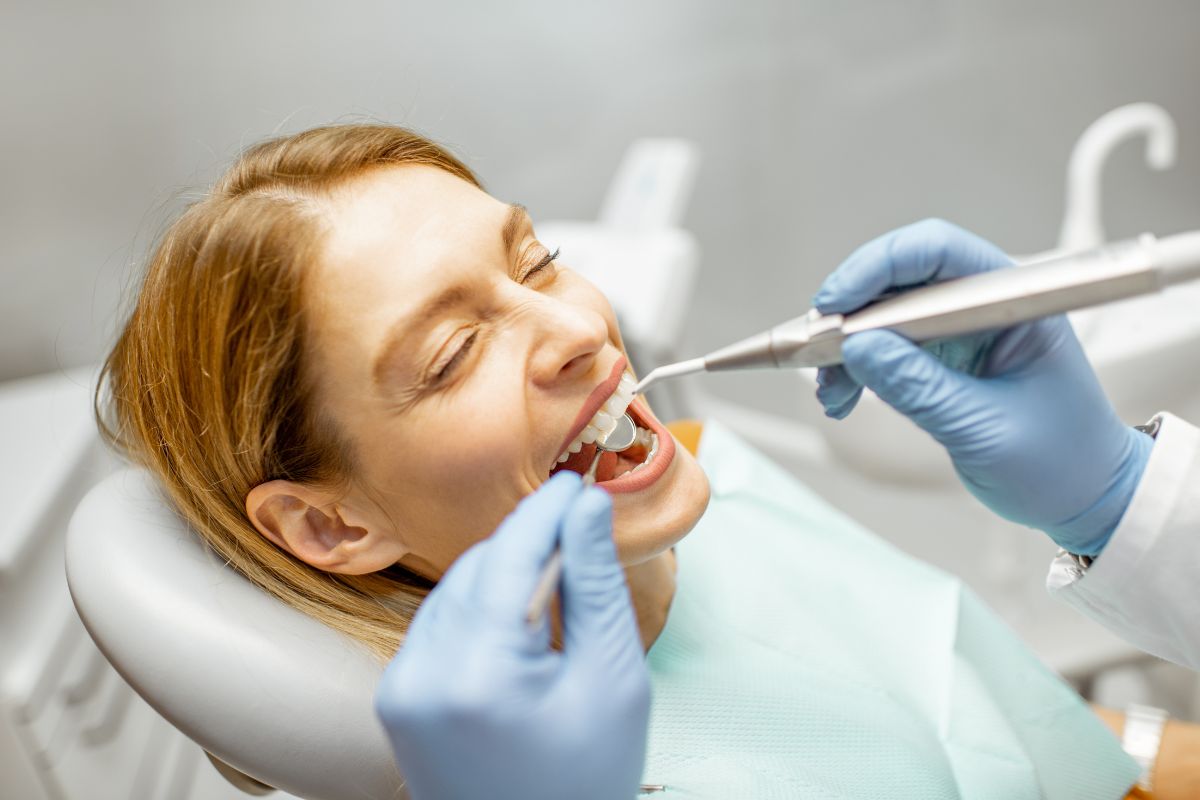
A dentist will examine the crown, its connection, the surrounding gums, and the implant area. Dental X-rays may help reveal changes in the bone or other issues that are not visible during a routine examination.
The dentist may check for:
-
Movement in the crown or connecting components.
-
Tenderness or swelling around the implant.
-
Bleeding or changes in the gum tissue.
-
Signs of infection or bone loss.
-
Changes in the bite or pressure on nearby teeth.
For example, if the crown moves but the implant remains stable, the dentist may focus on the crown connection. However, movement of the implant post may indicate a more serious concern.
Do not repeatedly wiggle the crown to test it. That action can place additional stress on the restoration and make the problem worse.
What Should You Do If an Implant Crown Feels Loose?
The steps you take before your appointment can help protect the restoration.
Choose softer foods. Eat foods that require less chewing, and avoid hard candy, nuts, ice, and other items that place heavy pressure on the crown.
Chew on the opposite side. When possible, keep food away from the affected area until a dentist evaluates it.
Keep the area clean. Brush gently around the implant and maintain your normal oral hygiene routine. Do not pull on the crown or try to remove it yourself.
Avoid household adhesives. Never use superglue or other household products to secure a loose crown. These products are not designed for oral use and can complicate treatment.
Contact your dentist. Explain when the movement began and whether you have pain, swelling, bleeding, or a change in your bite.
If the crown comes off, keep it in a clean container and take it to your appointment. Do not force it back into place.
Seek prompt dental care if the area becomes painful or swollen. Fever, spreading facial swelling, or difficulty swallowing or breathing requires urgent medical attention.
Treatment Options for a Loose Dental Implant Crown
Treatment depends on the part that has become unstable and the condition of the surrounding tissues.
Tightening or replacing a screw
If the abutment screw has loosened, the dentist may tighten it using the appropriate tools. A damaged screw may need replacement. The dentist will also check whether the crown fits correctly and whether the bite places excessive pressure on the implant.
Recementing or replacing the crown
When cement failure causes the movement, the dentist may recement the crown if the restoration remains suitable. A cracked or poorly fitting crown may require replacement instead.
The dentist will consider the crown’s condition, the type of attachment, and the cause of the failure before selecting treatment.
Treating gum or implant problems
If inflammation or infection affects the implant area, the dentist will assess the severity and recommend appropriate care. Treatment may involve cleaning around the implant, improving home care, or referral for more specialized treatment.
If the implant itself has lost stability, the treatment plan will depend on the extent of bone loss and the implant’s overall condition.
How to Reduce the Risk of Future Problems
Good daily habits can help protect an implant crown. Brush twice daily with a soft-bristled toothbrush and clean between your teeth using suitable floss or interdental tools. Your dentist can recommend the best method for cleaning around your specific implant.
Also, attend regular dental checkups. These visits allow the dental team to monitor the restoration and identify early signs of wear or inflammation.
If you grind your teeth, ask whether a night guard may help reduce excessive pressure. Avoid chewing ice or using your teeth to open packages, as these habits can damage both natural teeth and restorations.
A loose implant crown may result from a simple connection problem, crown damage, or an issue involving the implant and surrounding tissues. The important step is to identify the cause before the restoration sustains further damage. Avoid chewing on the affected side, keep the area clean, and do not attempt a home repair.
For an evaluation with Dr. Brian L. Eck, Schedule your appointment at Legacy Dental SA in San Antonio to determine the right next step for your implant crown.