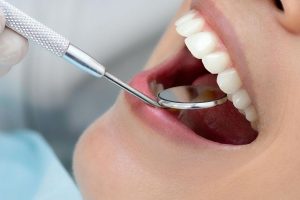
Dental sedation for anxious adults can make dental treatment feel much more manageable when fear, nervousness, or past experiences make appointments difficult. At Legacy Dental SA in San Antonio, Dr. Brian L. Eck understands that comfort matters just as much as quality care. The practice offers sedation options and gentle techniques designed to help patients feel relaxed and at ease during treatment.
Dental anxiety can affect anyone. You may feel nervous about needles, dental instruments, sounds, discomfort, or simply sitting in the treatment chair. Some people even avoid appointments for years because of these feelings. Unfortunately, avoiding routine care can allow small oral health concerns to become larger problems.
The good news is that you do not have to ignore your dental health because you feel anxious. Modern sedation techniques can help make dental visits more comfortable while allowing your dentist to provide the treatment you need.
What Is Dental Sedation?
Dental sedation uses medication or other techniques to help you relax during dental treatment. Depending on the method, you may remain fully awake and able to communicate, or you may become very relaxed and less aware of the procedure.
Sedation does not always mean being completely asleep.
In fact, many forms of sedation help reduce anxiety while allowing you to respond to your dentist. Your dental team will choose an approach based on your health, anxiety level, treatment, and individual needs.
Why Do Adults Consider Sedation?
People choose sedation for many different reasons, including:
- Fear of dental treatment
- Previous uncomfortable dental experiences
- A strong gag reflex
- Fear of needles
- Difficulty sitting still for long periods
- Sensitive teeth or gums
- Anxiety about dental sounds or instruments
- A need for extensive treatment
- Difficulty becoming relaxed in a dental setting
You do not need to feel embarrassed about dental anxiety. Telling your dentist about your concerns gives the team an opportunity to make your experience more comfortable.
Who May Benefit From Sedation?
Sedation can benefit adults who experience mild nervousness as well as those who have stronger dental fears. However, the best approach depends on your situation.
If you are searching for a San Antonio dentist who understands dental anxiety, Legacy Dental SA provides sedation options and gentle techniques to help patients feel comfortable. Dr. Brian L. Eck has practiced comfortable and comprehensive dentistry in San Antonio for more than 40 years, and the practice emphasizes a relaxed, welcoming environment.
You May Want to Discuss Sedation If:
- You postpone appointments because of fear
- You feel extremely nervous before treatment
- You have had a difficult dental experience
- You have a strong gag reflex
- You struggle to stay relaxed during treatment
- You need several procedures
- You have difficulty tolerating certain aspects of dental care
A consultation allows your dentist to determine whether sedation makes sense for you.
Common Types of Dental Sedation
Sedation can range from mild relaxation to deeper levels of reduced awareness. The technique your dentist recommends depends on your procedure and health history.
1. Minimal Sedation
Minimal sedation helps you feel calmer while keeping you awake and responsive.
You can generally communicate with your dental team and follow instructions. However, you may feel more relaxed about what is happening around you.
This approach may work well for adults who feel nervous but do not require a deeper level of sedation.
2. Oral Sedation
Oral sedation involves taking medication before or around the time of your dental procedure, depending on your dentist’s instructions.
The medication can help reduce anxiety and make you feel relaxed. Some people also feel drowsy afterward.
Because oral sedation can affect alertness and coordination, your dentist will give you specific instructions about transportation, eating, medication use, and activities after treatment.
Never take a sedative without guidance from your dental professional.
3. Nitrous Oxide Sedation
Nitrous oxide, often called laughing gas, is a commonly used method for helping patients relax during dental treatment.
You breathe the gas through a small mask placed over your nose. It can produce a calm, relaxed feeling while allowing you to remain conscious and responsive.
One advantage is that the effects typically wear off relatively quickly after the gas stops.
However, your dentist must determine whether this option suits your medical history and planned treatment.
4. Deeper Sedation
Some dental procedures may require a deeper level of sedation. This approach creates a stronger state of relaxation and reduced awareness.
The level of monitoring and the qualifications required depend on the medication, depth of sedation, procedure, and setting.
For that reason, deeper sedation requires careful planning and appropriate safety measures.
Your dentist should explain exactly what level of sedation they recommend and why.
Sedation vs. Being Completely Asleep
Many patients use the words “sedation” and “sleep” interchangeably, but they do not always mean the same thing.
With lighter sedation, you can remain awake and communicate with your dental team. You may simply feel calmer and less focused on the procedure.
Deeper forms can make you much less aware of what is happening.
Why Does the Difference Matter?
Understanding the level of sedation can help you know what to expect.
Before treatment, ask your dentist:
- Will I remain awake?
- Will I be able to respond to questions?
- How long will the effects last?
- Will I need someone to drive me home?
- Can I eat and drink before treatment?
- Which medications should I take or avoid?
- What should I expect afterward?
Clear communication can make the experience less stressful.
Is Sedation Safe for Adults?
Sedation can be safe when a qualified dental professional selects the appropriate method and monitors the patient properly. However, sedation is not suitable for everyone.
Your dentist needs accurate information about your health before recommending a technique.
Tell Your Dentist About:
- Prescription medications
- Over-the-counter medicines
- Vitamins and supplements
- Medication allergies
- Previous reactions to sedation
- Breathing problems
- Heart conditions
- Pregnancy
- Other significant health conditions
- Previous surgical or dental experiences
Do not hide information because you think it might prevent treatment. Your dentist needs the complete picture to make an informed decision.
What Happens Before Sedation?
Your appointment should start with a discussion rather than immediately moving into treatment.
Your dental team may review your medical history, medications, allergies, anxiety level, and the planned procedure.
Depending on the type of sedation, your dentist may also provide specific preparation instructions.
Your Preparation May Include:
- Avoiding certain foods or drinks
- Taking or avoiding specific medications
- Arranging transportation
- Wearing comfortable clothing
- Planning to rest after treatment
- Following fasting instructions when applicable
Follow your dentist’s instructions carefully.
If someone needs to drive you home, arrange that person before your appointment rather than waiting until the day of treatment.
What Does Sedation Feel Like?
The experience varies from person to person and depends on the type of sedation.
With lighter sedation, you may simply notice that you feel calmer. Your muscles may relax, and you may feel less focused on the dental procedure.
With stronger sedation, you may feel drowsy or less aware of your surroundings.
Some patients describe a sense of time passing quickly. Others remember little about portions of the procedure.
Your dentist can explain what you can reasonably expect from the specific method planned for you.
Does Sedation Eliminate Pain?
Sedation and pain control are not necessarily the same thing.
Sedation primarily helps with anxiety and relaxation. Your dentist may use local anesthesia or other pain-control methods to numb the treatment area when appropriate.
Therefore, tell your dental team whether you are worried about pain, anxiety, or both.
Your dentist can then create a treatment plan that addresses your specific concerns.
What If You Have a Strong Gag Reflex?
A strong gag reflex can make dental treatment uncomfortable or difficult.
Sedation may help some patients relax enough to tolerate treatment more comfortably. Your dentist can also use positioning, communication, and other techniques to improve the experience.
If your gag reflex has caused problems during previous appointments, mention it before treatment begins.
That information can help your dental team prepare for your visit.
How Can You Manage Dental Anxiety Without Sedation?
Sedation is not the only way to make dental visits easier.
You can also discuss simple comfort strategies with your dental team.
Try These Approaches
Tell your dentist about your fear: Your dental team cannot address concerns they do not know about.
Agree on a stop signal: A simple hand signal can give you a sense of control during treatment.
Ask for explanations: Knowing what will happen next may reduce uncertainty.
Use headphones: Listening to music or calming audio may help distract you from dental sounds.
Practice slow breathing: Deep, controlled breaths can help reduce physical signs of anxiety.
Break treatment into steps: Discussing a longer treatment plan in smaller stages may make it feel more manageable.
Choose a comfortable appointment time: Avoid scheduling treatment when you already feel rushed or overwhelmed.
These techniques can work alongside sedation when appropriate.
Why Avoiding Dental Care Can Make Anxiety Worse
Dental anxiety often creates a cycle.
You feel nervous, so you postpone your appointment. As time passes, a small problem may grow. Treatment may then become more complicated, which can increase your anxiety about returning.
Breaking this cycle can help protect your oral health.
Regular preventive care can help your dentist identify problems earlier. It may also allow you to build trust with your dental team over time.
At Legacy Dental SA, the team emphasizes comfort and a relaxed environment. The practice welcomes patients of all ages and states that its goal is to make dental visits comfortable and stress-free.
What Happens After Sedation?
Your recovery depends on the type and amount of sedation you receive.
Some methods wear off relatively quickly, while others can affect alertness for several hours.
Your dentist will provide instructions for aftercare.
You May Need to:
- Rest after your appointment
- Avoid driving if instructed
- Have an adult accompany you when required
- Avoid alcohol or certain medications
- Eat only foods recommended by your dentist
- Follow treatment-specific instructions
- Contact your dental team if unexpected symptoms occur
Do not assume that you can return immediately to your normal routine. Follow the instructions your dental team gives you.
How to Choose the Right Sedation Option
There is no single sedation method that works best for every anxious adult.
The right choice depends on:
- Your anxiety level
- Your medical history
- Your medications
- The procedure you need
- How long treatment may take
- Your previous dental experiences
- Your ability to remain comfortable while awake
Your dentist can explain the advantages and limitations of each suitable option.
Questions to Ask Your Dentist
Before treatment, consider asking:
- Which sedation option do you recommend for me?
- Why is this method appropriate for my procedure?
- Will I remain awake?
- Will I feel or remember the treatment?
- What should I do before the appointment?
- Will someone need to drive me home?
- How long might the effects last?
- What side effects should I expect?
- What should I avoid after treatment?
These questions can give you a clearer understanding of your appointment and reduce uncertainty.
The Bottom Line
Dental anxiety should not prevent you from receiving the oral care you need. Dental sedation for anxious adults can help eligible patients feel calmer and more comfortable during treatment, while other techniques can provide additional support.
Options may include minimal sedation, oral medication, nitrous oxide, or deeper levels of sedation depending on the procedure and your individual health needs. Your dentist should evaluate your medical history, medications, anxiety level, and treatment before recommending an approach.
Remember that sedation does not replace communication. Tell your dental team exactly what worries you. Whether you fear pain, needles, sounds, the treatment itself, or simply feel uncomfortable in a dental setting, sharing those concerns can help your team create a more comfortable experience.
Legacy Dental SA in San Antonio offers sedation options and gentle techniques for patients who feel anxious about dental care. Dr. Brian L. Eck has provided comfortable, comprehensive dentistry in San Antonio for more than 40 years, and the practice focuses on helping patients feel safe and at ease.
For local directions and practice information, schedule an appointment with Legacy Dental SA to discuss your dental anxiety and suitable comfort options.