Periodontal disease, also known as gum disease, is a common yet serious condition that affects the gums and the surrounding tissues of the teeth. If left untreated, it can lead to tooth loss and other health complications. While professional treatment by a dentist or periodontist is often necessary for severe cases, there are steps you can take at home to help reverse periodontal disease and improve gum health.
Understanding Periodontal Disease
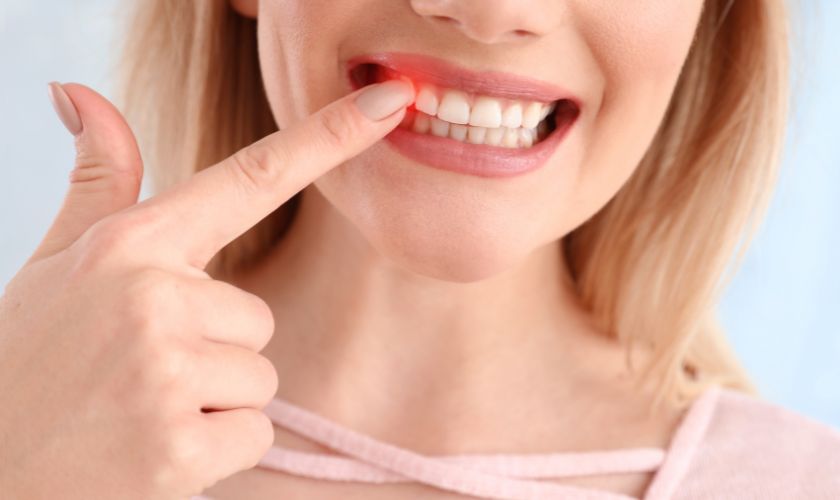
Periodontal disease is caused by bacterial infection and inflammation of the gums and supporting structures of the teeth. It typically starts with gingivitis, which is characterized by red, swollen gums that bleed easily. If gingivitis is not treated, it can progress to periodontitis, where the inner layer of the gum and bone pull away from the teeth and form pockets that become infected.
Steps to Reverse Periodontal Disease At Home
- Maintain Good Oral Hygiene: Proper brushing and flossing are crucial for controlling plaque buildup, which is the main cause of gum disease. Brush your teeth at least twice a day with a soft-bristled brush and fluoride toothpaste. Floss daily to clean between teeth and along the gumline where a toothbrush can’t reach.
- Use Antimicrobial Mouthwash: Rinse with an antimicrobial mouthwash that helps reduce plaque and gingivitis. Look for mouthwashes containing ingredients like chlorhexidine, cetylpyridinium chloride, or essential oils such as tea tree oil.
- Improve Your Diet: A healthy diet rich in vitamins and nutrients can support gum health. Eat plenty of fruits and vegetables, which are high in antioxidants and can help combat inflammation. Avoid sugary foods and drinks, as they can contribute to plaque buildup.
- Quit Smoking: Smoking weakens the immune system and makes it harder for the body to fight off infections, including gum disease. Quitting smoking can significantly improve gum health and reduce the progression of periodontal disease.
- Use Natural Remedies: Some natural remedies may help reduce inflammation and support gum health. These include:
- Oil Pulling: Swishing coconut oil or sesame oil in your mouth for several minutes may help reduce plaque and bacteria.
- Turmeric Gel: Applying a turmeric gel or paste to the gums can help reduce inflammation due to its anti-inflammatory properties.
- Aloe Vera: Aloe vera gel applied directly to the gums can soothe inflammation and promote healing.
- Consider Supplements: Some supplements like coenzyme Q10 (CoQ10) and vitamin C may help support gum health. Consult with your healthcare provider before starting any supplements.
- Monitor Your Progress: Keep track of your gum health by regularly checking for signs of improvement or worsening symptoms. If you notice persistent bleeding, swelling, or recession of gums, consult a dentist promptly.
When to See a Professional
While these home remedies can help manage and potentially reverse mild cases of periodontal disease, it’s essential to consult a dentist for professional evaluation and treatment, especially if you experience:
- Persistent bleeding gums
- Receding gums
- Loose teeth
- Persistent bad breath
- Pus between gums and teeth
Periodontal disease that has progressed to periodontitis often requires professional intervention, such as scaling and root planing (deep cleaning), antibiotics, or surgical procedures to restore gum health and prevent tooth loss.
Conclusion
Taking proactive steps to improve your oral hygiene and overall health can make a significant difference in managing and potentially reversing periodontal disease. By maintaining good oral hygiene habits, making dietary adjustments, and using natural remedies where appropriate, you can support your gums’ health and reduce the risk of complications associated with gum disease. Always consult with a dentist for a comprehensive evaluation and personalized treatment plan tailored to your specific needs. By working together, you can achieve better oral health and prevent the progression of periodontal disease.