Most expectant mothers focus on prenatal vitamins, healthy meals, and regular OB-GYN visits. But the connection between oral health and pregnancy is one piece of the puzzle that often goes overlooked — and it can make a real difference for both mom and baby.
Pregnancy brings remarkable changes to your body, and your mouth is no exception. Hormonal shifts, dietary cravings, and morning sickness all create an environment where dental problems can develop quickly. What surprises many women is just how much these dental problems can affect the course of the pregnancy itself. Here at Legacy Dental SA, we want every expecting mother to feel empowered with the right information. Dr. Brian L. Eck and our team have spent over 40 years caring for families in this community, and we see firsthand how a healthy smile supports a healthy pregnancy.
Why Oral Health Matters More During Pregnancy
Your Body Changes, and So Does Your Mouth
When you become pregnant, your hormone levels shift dramatically. Estrogen and progesterone both rise, and these changes directly affect your gum tissue. Your gums become more sensitive to the bacteria that naturally live in your mouth. As a result, even a small amount of plaque buildup can trigger inflammation much more easily than it would before pregnancy.
This condition is so common that it has its own name: pregnancy gingivitis. Studies show that up to 70% of pregnant women develop some form of gum inflammation during their pregnancy. Symptoms include:
- Gums that look red or feel swollen
- Gums that bleed when you brush or floss
- Tenderness or sensitivity along the gumline
- Persistent bad breath that does not go away with brushing
The good news is that pregnancy gingivitis responds well to professional cleanings and consistent home care. However, if left untreated, it can progress into a more serious infection called periodontitis, which carries real risks for your pregnancy.
How Gum Disease Connects to Pregnancy Complications
The Science Behind the Risk
Many people are surprised to learn that gum disease doesn’t just stay in your mouth. The bacteria responsible for gum infections can enter your bloodstream through inflamed gum tissue. Once in the bloodstream, these bacteria travel to other parts of the body and trigger a wider inflammatory response.
During pregnancy, this matters in a very significant way. Research published by the American Academy of Periodontology found that pregnant women with severe gum disease face a notably higher risk of:
- Preterm birth (delivering before 37 weeks)
- Low birth weight babies (under 5.5 pounds at birth)
- Preeclampsia (a serious high blood pressure condition that develops during pregnancy)
Here’s how it works: Oral bacteria, particularly a type called Fusobacterium nucleatum, can travel through the bloodstream and reach the placenta. Once there, they can stimulate inflammatory chemicals called prostaglandins. Prostaglandins play a role in triggering labor. When they rise too early due to an infection, premature contractions can follow.
Additionally, another inflammatory marker called C-reactive protein tends to rise in women with active gum infections. High levels of this protein during pregnancy are associated with complications like preeclampsia, which can become life-threatening if not managed promptly.
What an Experienced Dentist Wants You to Know
Dental Care During Pregnancy Is Safe
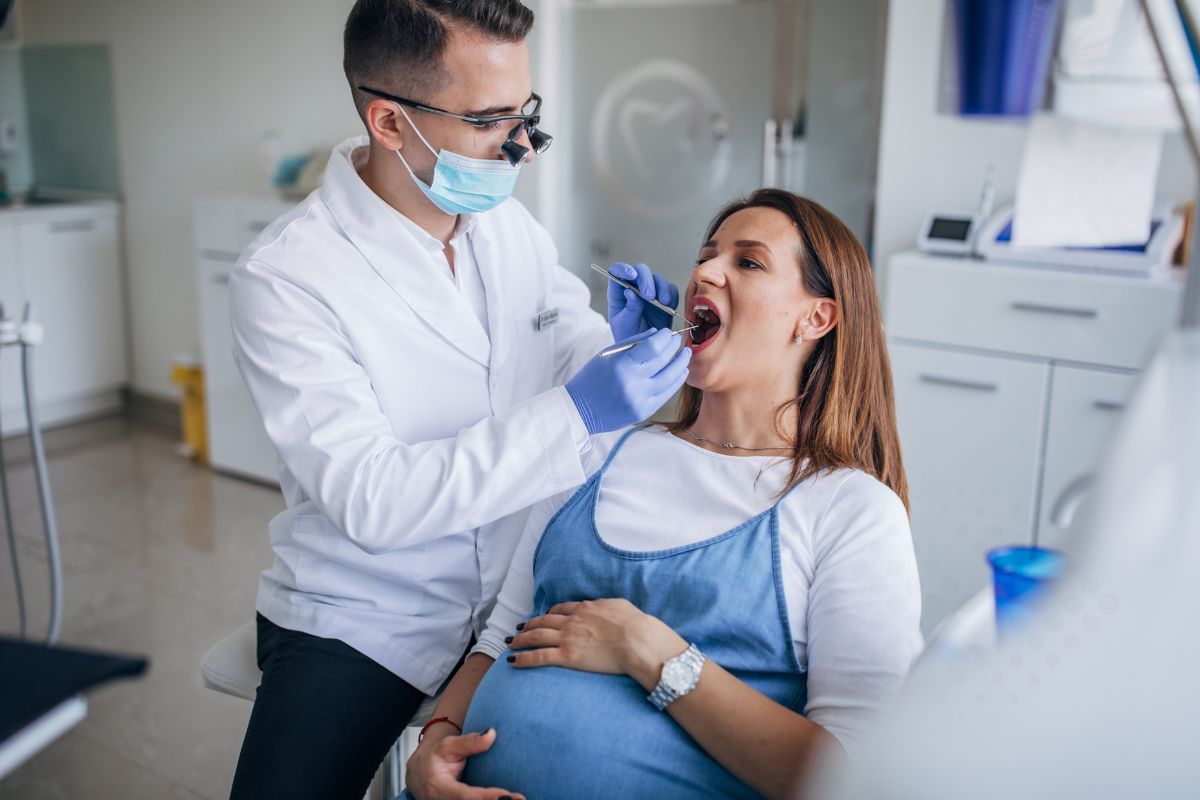
One of the most important things an experienced dentist will tell you is this: avoiding the dentist during pregnancy is far riskier than going. Many women skip dental appointments out of concern for their baby, but routine cleanings, exams, and even most dental treatments are completely safe during pregnancy.
Dr. Brian L. Eck at Legacy Dental SA encourages pregnant patients in San Antonio to keep up with their regular preventive visits. Routine cleanings during pregnancy are not only safe, they are especially important because they remove the plaque and tartar buildup that fuels gum disease.
Here are a few key guidelines to keep in mind:
- First trimester: Focus on cleanings and exams. Avoid elective procedures during this critical early stage of fetal development.
- Second trimester: This is generally the safest window for any necessary dental treatment. Most procedures, including fillings, can be done safely.
- Third trimester: Cleanings are still safe and important. Lengthy procedures may be uncomfortable due to lying on your back for extended periods, so shorter appointments work best.
- Always inform your dentist: Tell your dental team that you are pregnant, how far along you are, and what medications your OB-GYN has prescribed. This helps the team tailor your care safely.
X-rays during pregnancy are typically postponed unless absolutely necessary, and if needed, a lead apron provides strong protection. Your baby’s safety is always our number one priority.
Other Oral Changes to Watch for During Pregnancy
Morning Sickness and Tooth Erosion
Morning sickness affects up to 80% of pregnant women, and frequent vomiting exposes your teeth to stomach acid repeatedly. Over time, this acid wears away tooth enamel, leading to sensitivity and an increased risk of cavities.
After a bout of vomiting, resist the urge to brush your teeth immediately. Instead, rinse your mouth with a solution of water and baking soda (about one teaspoon of baking soda per cup of water). Wait at least 30 minutes before brushing so the acid does not spread further across your enamel.
Pregnancy Tumors
Despite the alarming name, pregnancy tumors on the gums are not cancerous. They are overgrowths of gum tissue that typically appear during the second trimester, often between the teeth. They bleed easily and can be uncomfortable. These usually resolve on their own after delivery, but if they cause significant pain or interfere with eating, a dentist can safely remove them.
Increased Cavity Risk
Cravings for sugary foods, snacking more frequently, and sometimes being too tired or nauseous to maintain a thorough brushing and flossing routine all raise the risk of developing cavities during pregnancy. Untreated cavities can progress to infections that may require more intensive treatment.
Practical Tips to Protect Your Oral Health During Pregnancy
Taking care of your mouth during pregnancy does not need to be complicated. Here are some straightforward habits that can make a real difference:
- Brush twice daily with a soft-bristled toothbrush and fluoride toothpaste
- Floss every day to clean between the teeth where bacteria love to hide
- Rinse with an alcohol-free antibacterial mouthwash to reduce bacterial load
- Stay hydrated to keep saliva flowing, which naturally helps protect teeth
- Eat a balanced diet rich in calcium, vitamin D, and phosphorus to support both your teeth and your baby’s developing bones and teeth
- Limit sugary snacks and opt for crunchy vegetables, cheese, or nuts when cravings hit
- Chew sugar-free gum with xylitol after meals to reduce bacteria and stimulate saliva
- Schedule a dental checkup as soon as you learn you are pregnant, and keep up with follow-up visits throughout your pregnancy
What to Tell Your Dentist When You Are Pregnant
Open communication between your dental team and your OB-GYN can make a huge difference. When you visit Legacy Dental SA, let us know:
- Your estimated due date
- Any medications, vitamins, or supplements you take
- Any pregnancy complications your OB-GYN has flagged
- Whether you have experienced morning sickness or unusual gum symptoms
With this information, Dr. Eck and our team can create a safe and personalized care plan that keeps both you and your baby well protected throughout every trimester.
A Healthier Mouth Supports a Healthier Pregnancy
The connection between oral health and pregnancy complications is backed by solid science, and it is something every expecting mother deserves to understand clearly. Gum disease during pregnancy is not just a dental inconvenience. It is a genuine risk factor linked to preterm birth, low birth weight, and other serious complications. The reassuring truth, however, is that with consistent home care and regular professional cleanings, these risks can be significantly reduced.
You deserve to enjoy your pregnancy with one less thing to worry about. If you are pregnant or planning to become pregnant, now is the perfect time to prioritize your dental health. Call us at (210) 767-3562 to schedule your appointment today!