Welcome to our latest blog post! Today, we’re going to talk about the importance of proper oral hygiene for dental implant success. Dental implants are an excellent option for people who have lost teeth due to injury or decay, but they require a significant investment in both time and money. In this article, we’ll explore what exactly dental implants are and how you can ensure their longevity through good oral hygiene practices. Whether you’ve already had a dental implant or are considering one in the future, read on to learn everything you need to know about taking care of your new smile!
What is a dental implant?
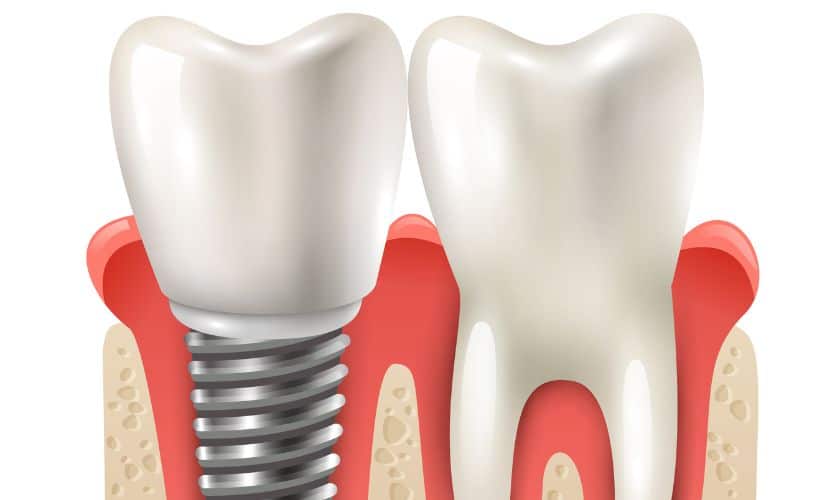
A dental implant is an artificial tooth root that replaces the natural root of a missing tooth. It’s made up of three main parts: the implant itself, which is usually made from titanium; the abutment, which connects the implant to the replacement tooth or teeth; and finally, the crown or bridge that serves as a permanent replacement for one or more missing teeth.
Dental implants are typically used in cases where teeth have been lost due to injury, decay, or gum disease. They offer many advantages over traditional dentures and bridges because they’re designed to look and feel like your natural teeth.
The process of getting a dental implant involves several steps, including an initial consultation with your dentist to determine if you’re a good candidate for this type of treatment. If you’re deemed suitable for dental implants, your dentist will then begin preparing your mouth by removing any damaged teeth and performing bone grafts if necessary.
Once your mouth has healed sufficiently from these procedures, your dentist will place the implant into your jawbone using special tools and techniques. Over time, this device will fuse with your natural bone tissue through a process called osseointegration – creating a strong foundation onto which replacement teeth can be secured.
How important is oral hygiene for dental implant success?
Oral hygiene is crucial for the success of dental implants as poor oral health can lead to implant failure. When a dental implant is placed, it fuses with the jawbone and becomes a part of your natural set of teeth. Therefore, maintaining good oral hygiene practices like brushing twice daily, flossing regularly, and using mouthwash can help keep bacteria at bay.
Bacteria that build up around the implant can cause infections which may then lead to bone loss or even cause the implant to come loose or fail altogether. It is important to note that having an implant does not mean you are immune from tooth decay or gum disease in other areas of your mouth.
Dental implants require proper care and attention just like natural teeth do. Dentists recommend regular check-ups and cleanings every six months for those with implants to ensure they remain healthy and stable in the long run.
In summary, taking care of your dental implants requires commitment but it’s worth it if you want them to last a lifetime. By practicing good oral hygiene habits consistently along with regular visits to your dentist, you’re setting yourself up for successful outcomes when it comes to dental implants!
How to maintain good oral hygiene for dental implants?
Maintaining good oral hygiene is essential for the success of dental implants. Here are some tips on how to keep your dental implants healthy and clean.
Firstly, it is important to brush at least twice a day using a soft-bristled toothbrush. You should also floss once a day to ensure that any food debris or plaque between teeth is removed.
Using an antimicrobial mouthwash can help reduce bacteria in the mouth and prevent infection around the implant area. However, it’s best to consult with your dentist before choosing a specific brand of mouthwash.
It’s important to avoid smoking as tobacco use can increase the risk of implant failure by reducing blood flow in the gums and bones supporting them.
Maintaining regular check-ups with your dentist will ensure that any potential issues are detected early and treated promptly. Your dentist may recommend professional cleanings every six months or more frequently depending on individual needs.
Maintaining proper nutrition can also aid in keeping your implants healthy. A well-balanced diet rich in calcium and vitamin D promotes bone health which supports long-term implant success.
Summary
To summarize, proper oral hygiene is crucial for the success of dental implants. Neglecting your oral hygiene can lead to various complications such as gum disease and implant failure. It’s important to maintain a consistent routine of brushing twice daily, flossing at least once a day, using an antibacterial mouthwash, and visiting your dentist regularly.
In addition, it’s essential to follow any specific instructions given by your dentist regarding post-operative care. This may include avoiding hard or crunchy foods, quitting smoking or using special tools for cleaning around the implant.
By prioritizing good oral hygiene habits and seeking professional care when necessary, you can ensure the longevity and success of your dental implants. Remember that prevention is always better than cure when it comes to maintaining a healthy smile!