Do you wake up feeling tired, even after a full night’s sleep? Has your partner mentioned that you snore loudly or gasp for air during the night? These could be signs of sleep apnea, a common yet often undiagnosed sleep disorder that affects millions of Americans. According to the American Academy of Sleep Medicine, nearly 30 million adults in the United States have OSA syndrome, but only a fraction are aware of it.
Sleep apnea isn’t just about snoring; it’s a condition that can impact your health, mood, and energy levels. Understanding how to know if you have sleep apnea is essential because recognizing the signs early and knowing when to seek help can make a life-changing difference.
What Exactly Is Sleep Apnea?
It happens when your breathing repeatedly stops and starts while you sleep, causing disruptions you might not even notice. These pauses, called “apneas,” can last from a few seconds to over a minute and may occur many times during the night. If you’re experiencing these symptoms, our team at Legacy Dental SA offers professional sleep apnea treatment in San Antonio to help you breathe easier and enjoy more restful, restorative sleep.
There are three main types:
- Obstructive Sleep Apnea (OSA): The most common form is caused by a blocked airway, often due to relaxed throat muscles.
- Central Sleep Apnea (CSA): The brain fails to send the proper signals to control breathing.
- Complex Sleep Apnea Syndrome: A combination of obstructive and central sleep apnea.
Each type requires proper diagnosis and management by a qualified sleep specialist or physician.
Common Warning Signs You Shouldn’t Ignore
Insomnia or restless sleep affects people differently, but certain signs of OSA syndrome appear frequently. If you notice any of the following, it’s time to take them seriously:
1. Loud, Chronic Snoring
While excessive daytime sleepiness isn’t always dangerous, it’s one of the most common indicators of sleep apnea. It’s important to know the signs of sleep apnea, including loud snoring or pauses followed by gasping or choking, so you can seek proper evaluation.
2. Waking Up Gasping for Air
People with obstructive sleep apnea often wake suddenly, feeling like they can’t breathe. This happens when the airway collapses, interrupting oxygen flow and forcing the body to react.
3. Excessive Daytime Sleepiness
Do you struggle to stay awake during work or while driving? Constant fatigue, even after a full night’s sleep, can signal disrupted sleep cycles caused by frequent breathing interruptions.
4. Morning Headaches or Dry Mouth
When your oxygen levels drop during sleep, you may wake with headaches or a parched mouth. These are subtle but consistent warning signs of breathing irregularities overnight.
5. Difficulty Concentrating or Mood Changes
Poor sleep can affect brain function and emotional balance. You may feel irritable, forgetful, or have trouble focusing during the day. It’s important to know that these symptoms could be signs of sleep apnea rather than just stress or aging.
6. Restless Nights and Frequent Bathroom Visits
Waking up multiple times a night—sometimes to use the restroom—can be linked to oxygen fluctuations that disturb deep sleep.
7. Observed Breathing Pauses
If your partner or family member notices that you stop breathing during sleep, it’s one of the clearest signs that you need to get evaluated immediately.
Who’s Most at Risk?
Sleep disordered breathing can affect anyone, even children, but some factors increase risk:
- Being overweight or having a large neck circumference
- Family history of sleep disorders
- Smoking or alcohol use before bedtime
- Chronic nasal congestion or allergies
- older age and being male (though women are often underdiagnosed)
If any of these apply to you, it’s even more important to pay attention to symptoms.
When to See a Doctor
You should schedule a medical evaluation if:
- Your snoring disrupts sleep for you or others
- You wake up short of breath or choking
- You feel tired all day despite adequate rest
- You notice mood swings, forgetfulness, or loss of concentration
Through a sleep study conducted at home or in a lab, our sleep specialists can help you know whether you have apnea and determine the seriousness of your sleep-disordered breathing.
Early diagnosis is key. Left untreated, poor sleep can increase your risk of high blood pressure, heart disease, type 2 diabetes, and even stroke. The good news is that once identified, it can be managed effectively.
Treatment Options That Help You Sleep Better
Treatment depends on the cause and severity of your condition. Some common options include:
- Lifestyle changes: Losing weight, avoiding alcohol, and sleeping on your side can reduce symptoms.
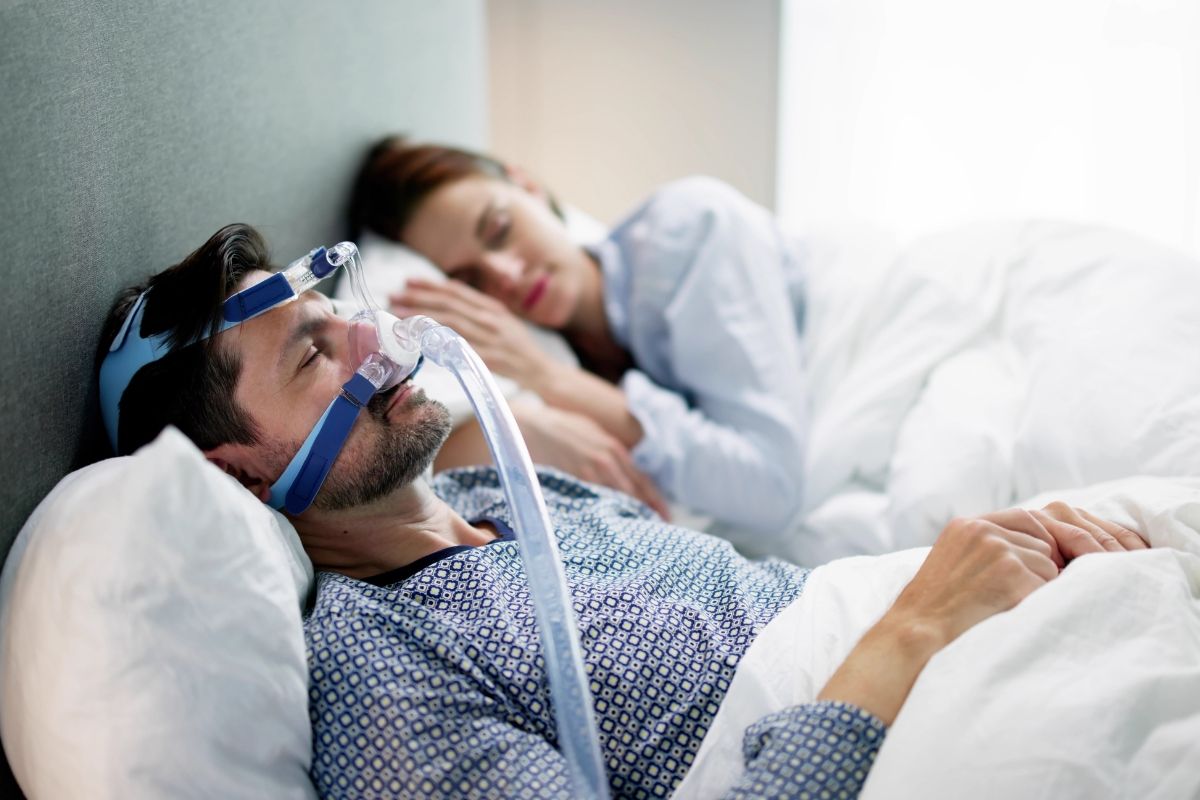
- Continuous Positive Airway Pressure (CPAP): A device that delivers a gentle air pressure through a mask to keep the airways open.
- Oral appliances: Custom mouthpieces that reposition your jaw to improve airflow.
- Surgery: In rare cases, surgical correction may be necessary to remove obstructions or adjust soft tissue.
Your doctor will help you find a treatment plan that works best for your health and lifestyle.
Reclaim Your Restful Sleep with Professional Help
If you’ve been feeling constantly tired or frustrated by poor sleep, don’t ignore the signs. The sooner a sleep disorder is diagnosed, the sooner you can start feeling energized and alert again. With proper care, most people see a huge improvement in sleep quality and overall well-being.
Good sleep is not a luxury; it’s essential to living a healthy life. If you suspect you might have sleep apnea, talk to your doctor about getting evaluated. A single test could change how you rest, focus, and feel daily.
At Legacy Dental SA, our team understands how important restful sleep is to your overall health. We work closely with patients to identify and manage sleep-related breathing issues through advanced dental sleep solutions. Schedule a consultation today and take the first step toward nights of deeper rest and brighter mornings.