A visit to the dentist is essential for maintaining good oral health and preventing dental problems like severe tooth decay before they become severe. Whether you’re searching for a dentist to establish better dental habits, regular check-ups are a cornerstone of a healthy smile. But how often should you go? While the general rule of thumb is every six months, individual needs may vary. Here, we explore why dental visits are important and how frequently you should schedule them.
Why Are Regular Dental Check-Ups Important?
Routine dental check-ups are about more than just keeping your tooth mouth clean. They play a vital role in:
- Early Detection of Problems: Dentists can identify issues like tooth cavities, gum disease, or oral cancer in their early stages, making treatment more effective.
- Professional Cleaning: Even with excellent brushing and flossing habits, plaque and tartar can build up over time. Professional cleanings ensure your normal teeth stay healthy and bright.
- Preventive Care: Regular visits allow your dentist to recommend preventive treatments like fluoride application or sealants, which can help avoid costly dental procedures later.
- Maintaining Overall Health: Oral health is closely linked to general health. Regular dental visits can help identify signs of systemic issues like diabetes or heart disease.
General Guidelines for Dental Check-Ups
Most dental practices recommend visiting every six months. However, this frequency might differ based on your age, oral health, and specific needs. Below is a breakdown of recommendations:
1. For Children
- Begin dental visits as soon as the first tooth appears or by the child’s first birthday.
- Check-ups every six months ensure healthy development and teach kids the importance of dental care early on.
2. For Adults with Healthy Teeth
- A biannual visit is usually sufficient if you have good oral hygiene habits and no history of dental problems.
- Regular cleanings and exams help keep your normal teeth and gums in top condition.
3. For Adults with Dental Issues
- If you have gum disease, a history of tooth cavities, or other chronic conditions, your dentist may recommend more frequent visits, such as every 3-4 months.
- People with braces, implants, or other dental appliances may also need closer monitoring.
4. For Seniors
- Older adults may face unique challenges like dry mouth, wear and tear, or tooth loss. Regular visits can address these issues and ensure proper oral function.
Factors That Influence Frequency
Your dentist will consider the following factors when recommending how often you should visit:
- Oral Hygiene Habits: If you’re diligent with brushing and flossing, you might need fewer visits.
- Lifestyle Choices: Smokers or those with a high-sugar diet may require more frequent check-ups.
- Medical History: Conditions like diabetes or a weakened immune system can increase your risk of dental problems.
- History of Dental Issues: If you’ve had frequent tooth cavities or gum problems in the past, regular monitoring is essential.
What Happens During a Dental Check-Up?
Knowing what to expect can make dental visits less intimidating:
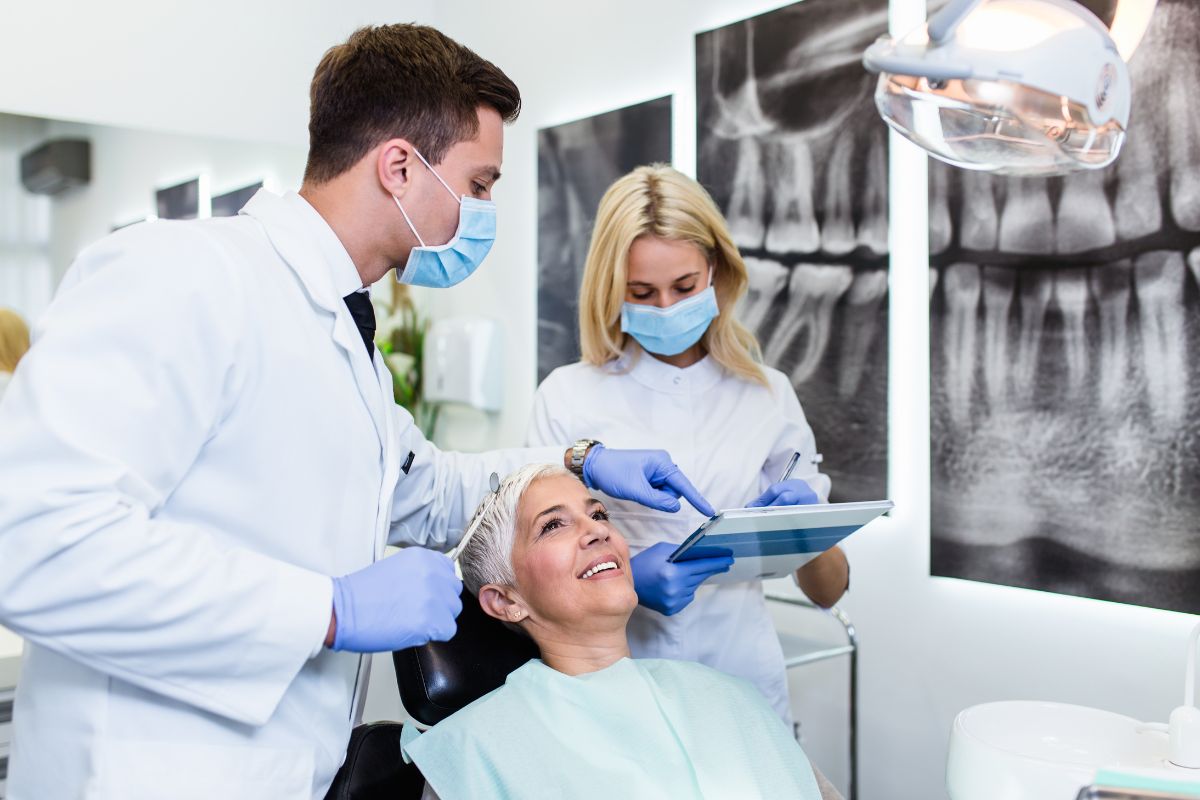
- Examination: The dentist examines your teeth, gums, and tooth mouth for signs of decay, disease, or other issues.
- X-Rays: If necessary, X-rays are taken to check for problems not visible to the naked eye, such as bone loss or impacted teeth.
- Cleaning: Dental hygienists remove plaque, tartar, and stains from your teeth.
- Discussion: The dentist will discuss their findings, answer your questions, and provide recommendations for improving your oral health.
Benefits of Staying Consistent with Dental Visits
- Avoiding Pain and Discomfort: Regular care prevents painful conditions like severe tooth decay or abscesses.
- Saving Money: Preventive care is often more affordable than treatments like root canals or crowns.
- Improving Confidence: Healthy teeth and gums enhance your smile and boost self-esteem.
Conclusion
Visiting the dentist regularly is an investment in your health and well-being. For most people, a six-month interval works best, but individual needs may require adjustments. By maintaining consistent check-ups at dental practices, you can prevent problems like severe tooth decay, save money, and enjoy a bright, healthy smile for years to come. If you’re unsure about the right schedule for you, consult your dentist for personalized advice. You can also find reputable dental services by visiting our Dental office in San Antonio for trusted care and guidance.