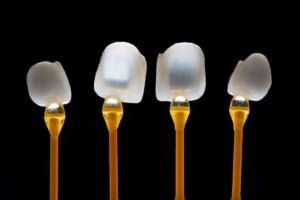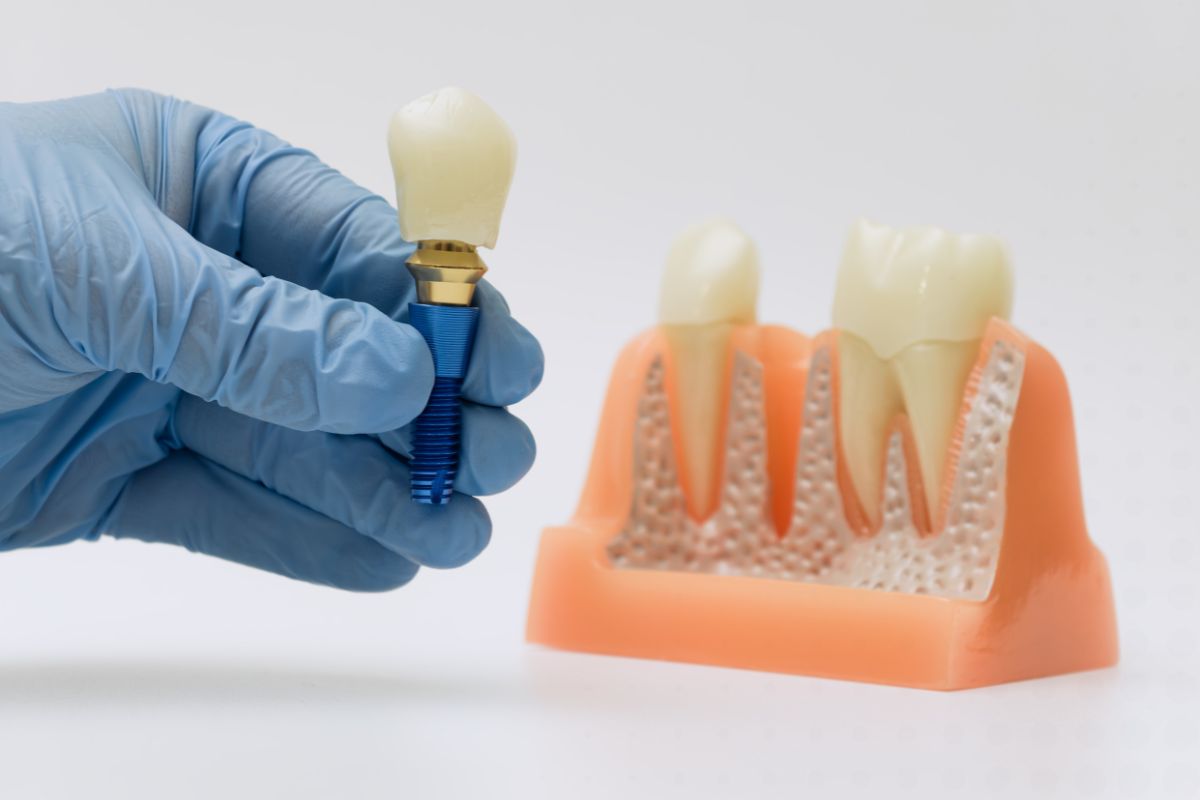
Dental implants have transformed tooth replacement, offering a permanent, natural-looking fix that feels just like your own smile. At Legacy Dental SA, we emphasize that your long-term success hinges on one key factor: the health of your surrounding jawbone. For San Antonio locals who love hiking the trails of Government Canyon State Natural Area or cheering at Fiesta San Antonio, strong bone health is essential to keep implants stable and reliable. Bone loss can derail the process, leading to complications and unpredictable outcomes.
So let’s explore why prioritizing your bone health is a game-changer for fixed dental prosthetic treatment.
The Importance of Bone Health for Implant Success
The success of dental implants is heavily reliant on the health and density of the bone. The process of bone integration, known as osseointegration, occurs when the dental post fuses with the jawbone. This provides a stable foundation for the replacement tooth.
However, if there is significant bone loss, it may fail to properly integrate, causing it to become loose or even fall out.
In the city of San Antonio, a city with a warm climate and an active lifestyle, maintaining bone density is crucial for the surgery’s success. Without enough healthy bone tissue, it can be challenging to place the fixture properly. This is why a thorough examination, including advanced imaging like CBCT (cone beam computed tomography), is necessary to assess the quality and quantity of bone before the final placement.
How Does Bone Loss Affect Prosthetic Teeth Placement?
When bone loss affects dental implants, it can lead to complications such as:
- Instability: Insufficient bone can prevent the dental post from properly fusing with the jawbone, leading to instability.
- Increased Risk of Failure: Without enough bone support, the titanium post may fail to stay in place and could eventually dislodge.
- Difficulty in Proper Placement: Bone loss may require additional procedures such as bone grafting to restore adequate bone structure.
In severe cases of bone loss, dental professionals may recommend other options. This often includes sinus lifts or ridge augmentation to restore lost bone. This procedure increases the success rate by creating a stable foundation for the fixture to anchor to.
What Are the Symptoms of Bone Loss?
This may not always be obvious, but there are signs to look for:
- Receding Gums: As the bone recedes, the gums may shrink, revealing more of the tooth.
- Loose Teeth: Teeth that feel loose or unstable may indicate bone loss in the surrounding area.
- Changes in Bite: Shifting teeth or changes in bite alignment may signal underlying bone issues.
The Role of Bone Grafting in Dental Implant Surgery
For patients with significant bone loss, bone grafting is commonly recommended. It is a procedure used to regenerate and restore bone. This involves adding bone material to the areas where bone has deteriorated. Over time, the graft integrates with the existing bone, providing a stronger base for the artificial tooth roots.
According to the American Association of Oral and Maxillofacial Surgeons (AAOMS), bone grafting is highly effective in patients who have experienced severe bone loss due to prolonged tooth loss or gum disease.
This ensures that there is enough healthy bone to support the prosthesis, significantly improving the success rate.
What Happens After Bone Grafting?
After a bone graft procedure, patients need to wait for the bone to heal and integrate. The healing process may take several months. During this time, the newly grafted bone becomes stronger and ready to support the dental post.
Once the graft has healed, the prosthetic teeth can be successfully placed, ensuring a long-lasting and stable result.
For families in San Antonio, where outdoor activities and community events like the Fiesta San Antonio are a big part of life, having a healthy, stable smile means being able to fully participate in all aspects of the community.
How Long Do Implanted Teeth Last After Bone Grafting?
Prosthetic teeth can last for decades, especially after a successful bone grafting procedure. The key to long-term success is osseointegration, the process by which the post fuses with the bone. With proper care and maintenance, it can provide a stable foundation for your smile for many years.
Can Bone Loss Be Prevented?
While some degree of bone loss may occur with age or tooth loss, there are ways to reduce the risk:
- Good Oral Hygiene: Brush and floss regularly to prevent gum disease and maintain bone health.
- Regular Checkups: Visiting your dentist for routine exams helps ensure that any early signs of bone loss are detected.
- Healthy Diet: Eating calcium-rich foods supports bone strength and helps prevent further deterioration.
What Can Cause Oral Implants To Fail Even After Bone Regeneration?
There are several factors that can cause implant failure, including:
- Infection: Failure to follow post-surgery care instructions can lead to infection.
- Insufficient Bone Integration: In rare cases, the bone may not integrate properly with the dental post.
- Excessive Stress: Chewing on hard objects or grinding teeth can damage dental work.
How Do I Maintain Bone Health for Long-Term Success?
To ensure the success of your implant surgery, it is essential to maintain bone health. Here are a few ways to support healthy bone growth:
- Proper Nutrition: A diet rich in calcium and vitamin D supports healthy bone development. Dairy products, leafy greens, and fortified foods are excellent sources.
- Regular Exercise: Weight-bearing exercises help maintain bone density and stimulate bone regeneration.
- Routine Dental Visits: Regular checkups help detect any signs of bone loss or gum disease early and treat them promptly.
Visit Our Dental Office In San Antonio For A Consultation
If you’re experiencing bone loss or considering dental implants, it’s important to act early to prevent further complications. Visit our dental office in San Antonio to schedule a consultation with our experienced team. We specialize in handling implant treatment and bone loss, ensuring you get the best possible results. Book an appointment today at Legacy Dental SA to learn more about how we can help restore your smile and improve your quality of life.
Frequently Asked Questions
1. Can dental implants fail due to low bone density?
Yes, inadequate jawbone density can prevent proper bone‑implant fusion, leading to instability and possible failure of the treatment. Without sufficient bone, the dental post may not integrate securely into the jaw.
2. How does bone quality influence implant osseointegration?
Bone quality directly affects osseointegration, the process by which the titanium post fuses with the jawbone. Strong, dense bone promotes a stable, long‑lasting connection, whereas weak bone increases the risk of micro‑movement and failure.
3. What happens if there isn’t enough bone for an implant?
If there isn’t enough bone, the fixture may lack support and be prone to loosening or failure. In such cases, preparatory procedures like bone grafting are often recommended to build up the foundation.
4. Can osteoporosis affect dental implant success?
Yes, systemic conditions like osteoporosis can reduce bone density throughout the body, including the jaw, potentially compromising integration. Your oral care provider may evaluate bone conditions before planning the surgery.
5. Does bone loss around implants indicate failure?
Bone loss around an implant can be a warning sign of failure if progression persists. Detectable bone recession suggests weakened support and warrants prompt evaluation.