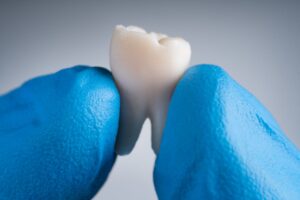
Dental implants are a transformative solution for restoring missing teeth, combining durability with a natural look and feel. If you’re considering this treatment, consulting with a dentist is a great first step. Many patients wonder about the longevity of dental implants and what steps they can take to ensure their investment lasts as long as possible. With proper care and consideration of specific factors, implants can serve as a long-lasting, reliable option for tooth replacement.
What Are Dental Implants?
Dental implants are artificial tooth roots, usually made from titanium, surgically placed into the jawbone. These implants provide a stable base for crowns, bridges, or dentures, restoring functionality and aesthetics to your smile. They are designed to fuse with the jawbone, creating a secure and permanent bond. This process, known as osseointegration, ensures that it can handle the same forces as natural teeth, making them an ideal long-term solution.
How Long Do Dental Implants Typically Last?
On average, dental implants can last between 15 to 25 years, with many lasting much longer. In some cases, patients enjoy a lifetime of use, provided they maintain excellent oral health. However, it’s important to note that while the implant itself is extremely durable, the attached restorations, such as crowns or bridges, may need to be replaced every 10–15 years due to wear and tear.
Factors That Affect the Lifespan of Dental Implants
1. Oral Hygiene and Maintenance
Consistent oral hygiene practices significantly impact how long dental implants last. Daily brushing and flossing, along with regular dental cleanings, help prevent infections such as peri-implantitis. This condition, similar to gum disease, can weaken the surrounding tissues and compromise the stability of the implant.
2. Lifestyle Habits
Unhealthy habits like smoking and excessive alcohol consumption can reduce the lifespan of dental implants. Smoking, in particular, slows the healing process and increases the risk of implant failure. Similarly, a diet high in sugar and acidic foods can contribute to decay in surrounding teeth, indirectly affecting implant longevity.
3. Bone Density and Jaw Health
The success of dental implants depends on the strength and density of the jawbone. Bone loss due to aging or medical conditions like osteoporosis can impact the stability of the implant. Regular dental check-ups allow your dentist to monitor bone health and suggest solutions like bone grafting if necessary.
4. Skill of the Dentist
The expertise of the dentist performing the procedure plays a critical role in determining the success and longevity of dental implants. A skilled dentist will ensure proper placement, reducing the chances of complications such as nerve damage or improper osseointegration.
How to Extend the Life of Your Dental Implants
Taking proactive steps to care for your implants can maximize their lifespan.
- Practice Daily Hygiene: Brush at least twice a day with a soft-bristle toothbrush and use an antimicrobial mouthwash to keep your gums healthy.
- Visit Your Dentist Regularly: Routine dental check-ups and professional cleanings ensure that any potential issues are detected early.
- Avoid Harmful Habits: Quit smoking and limit alcohol consumption to reduce the risk of implant failure.
- Protect Your Teeth: If you grind your teeth at night, consider wearing a custom mouthguard to prevent undue pressure on the implants.
- Eat a Balanced Diet: Incorporate calcium-rich foods to strengthen your jawbone and avoid hard or sticky foods that could damage your implants.
Advantages of Dental Implants
One of the main reasons dental implants are so popular is their numerous benefits. Unlike traditional dentures, implants provide superior comfort, functionality, and aesthetics. They preserve jawbone structure, prevent the shifting of nearby teeth, and eliminate the inconvenience of removable prosthetics. These advantages, combined with their durability, make them a worthwhile investment for anyone seeking a permanent tooth replacement solution.
Conclusion
Dental implants offer a long-lasting solution for restoring missing teeth, often lasting 15 to 25 years or longer with proper care. Factors like oral hygiene, lifestyle choices, bone health, and professional dental care significantly influence their lifespan. Consulting with dentist ensures you receive the best care it, helping you maintain a healthy, beautiful smile for years to come. By prioritizing regular check-ups and adopting healthy habits, you can make the most of your dental investment.