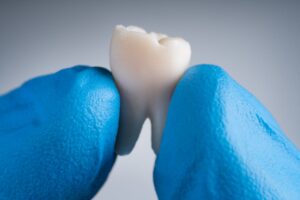
Have you ever felt a strange pressure or pain at the back of your mouth long after removing wisdom teeth and wondered, “Can wisdom teeth grow back?”
You are not alone. Many U.S. patients report discomfort in the same area even years after extraction. Wisdom teeth cannot regenerate; there are various reasons why they might feel that they are.
In this blog, we will explain the deep anatomy of wisdom teeth, the post-extraction sensations, and when to see a dentist in San Antonio for immediate help. Whether you are dealing with recent pain or just curious, here’s everything you need to know.
What Are Wisdom Teeth and Why Do We Remove Them?
Wisdom teeth, or third molars, are the last adult teeth to emerge. They usually come out between the ages of 17 and 25. The 3rd molars are evolutionary remnants when ancestors needed extra teeth to grind coarse plant matter and raw meat.
However, most people today do not have enough space in the jaw to accommodate these extra molars. When they erupt, they often do so at odd angles, pushing against the nearby teeth or becoming impacted.
Common Reasons for Removing Third Molars Include:
- Impaction
- Tooth decay or cyst formation
- Overcrowding
- Gum inflammation or infection
- Jaw pain and stiffness
Once extracted, they do not grow back. But you will feel certain sensations that may lead you to believe they are emerging again.
Can Wisdom Teeth Grow Back?
The simple answer is no, wisdom teeth grow back is a common myth. Once the third molars are fully removed, they cannot regenerate or grow back. Adult teeth, unlike baby teeth, do not grow back once lost.
There are various reasons why you may feel like the wisdom teeth are making a comeback-
1. Residual Root Fragments or Tooth Pieces
During extraction, small fragments of tooth or root may remain. These can surface later as the body naturally pushes them out. They mimic the sensation of tooth eruption.
2. Supernumerary or Extra Teeth
In rare cases, individuals may develop extra teeth called supernumerary teeth. These can appear in the same spot where the third molars once were and may cause similar discomfort.
3. Shifting Teeth and Bite Changes
After removal, third molars may shift or tilt slightly. This happens when you have not worn a retainer or followed up on orthodontic treatment. It can result in new pressure or discomfort at the back of the mouth.
4. Nerve Sensations and Healing Pain
Even years after wisdom teeth are removed, nerve endings in the jaw or gum tissue may become irritated or stimulated. This causes phantom sensations that make it feel like teeth are emerging.
What Does It Feel Like When Third Molars Start To Grow Or Feel Like?
Whether your wisdom tooth is truly erupting or you are experiencing post-removal signs, the feeling is similar to
- A dull or sharp pain at the very back of the mouth
- Swollen, red, or irritated gums
- Occasional jaw pain or stiffness
- A sensation of pressure behind the molars
- Headache or earache in the affected area
These sensations can range from mild to intense pain that often comes and goes. If you’ve already had wisdom teeth removed, the feeling might be due to the above reasons—but it can sometimes lead people to wonder if wisdom teeth grow back. While true regrowth isn’t possible, similar symptoms may cause confusion.
When Should You See A Dentist?
If you feel discomfort near the extraction site or the back of your mouth, it’s time to see a dentist.
You May Need
- A panoramic X-ray to check for root fragments or extra teeth
- An oral exam to assess gum health and infections
- Bite adjustment if shifting molars are causing pressure
- Pain relief options if fragments need removal
Preventive Care and What You Can Do At Home
While you cannot prevent supernumerary teeth, you can reduce discomfort and maintain dental health with good habits.
- Keep the area clean with gentle brushing and mouthwash
- Use a cold compress for swelling or pain
- Avoid chewing excessively on the side where it pains
- Take over-the-counter pain relievers when needed
- Never ignore persistent symptoms
Your wisdom teeth do not grow back once they have been extracted. If you feel something similar to third molars coming in, it is likely due to leftover fragments or supernumerary teeth. If you are searching for a trusted dentist, look no further than Legacy Dental SA. Our dentist, Dr. Brian Eck, is here to help you manage pain, diagnose symptoms, and maintain lifelong oral health.