Getting dental implants is a life-changing decision, restoring both functionality and aesthetics to your smile. However, proper maintenance is crucial to ensure these implants last for years. Knowing how to care for your dental implants will help you enjoy a healthy smile for a lifetime. Neglecting dental implant care can lead to complications, so understanding dental implant maintenance is vital.
Importance of Dental Implant Care
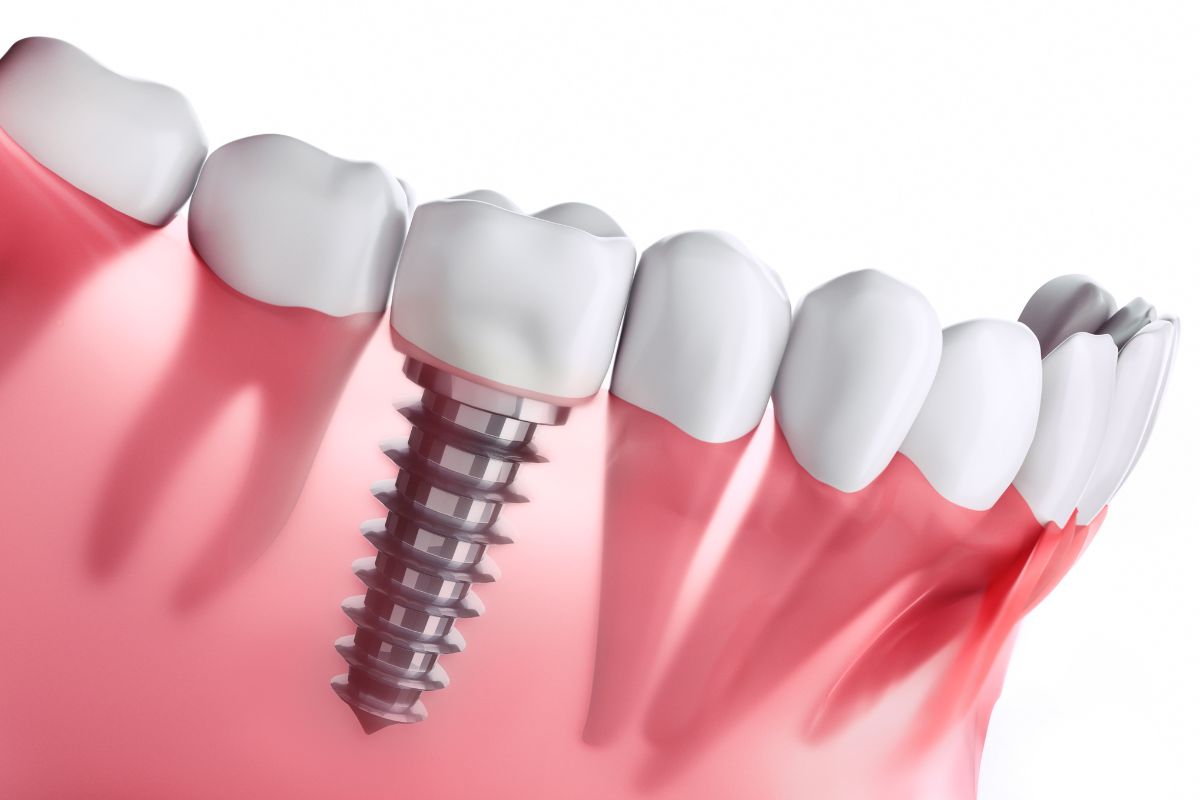
Dental implants are designed to look and feel like natural teeth. However, they still require diligent care. Many people mistakenly believe implants are impervious to issues affecting natural teeth, but that’s not the case. Without proper oral hygiene for dental implants, you risk implant failure or infections such as peri-implantitis.
To avoid these complications, follow these actionable tips for dental implant care:
1. Maintain Excellent Oral Hygiene
Just like natural teeth, dental implants require regular cleaning. Here are some best practices:
- Brush Twice Daily: Use a soft-bristled toothbrush and non-abrasive toothpaste. This will prevent damaging the implant surface while effectively removing plaque.
- Floss Daily: Flossing is essential to remove food particles and plaque from around the implant. Special floss designed for implants can help reach difficult areas.
- Use an Antimicrobial Mouthwash: This helps reduce bacteria and promotes overall gum health.
Example: A patient who maintained strict oral hygiene after receiving implants reported no issues after five years. Regular brushing and flossing preserved her implants and kept her gums healthy.
2. Schedule Routine Dental Check-Ups
Routine dental check-ups are critical for maintaining long-lasting dental implants. During these visits, your dentist can:
- Evaluate Implant Health: They will check for gum disease or infection signs.
- Professional Cleaning: A professional cleaning will remove plaque and tartar that regular brushing may miss.
- Assess Your Oral Health: Regular visits allow your dentist to monitor any changes in your oral health that could affect your implants.
Tip: If your dentist recommends, aim for dental check-ups at least twice a year or more frequently.
3. Pay Attention to Your Diet
Your diet plays a significant role in the health of your dental implants. Here’s how to ensure your implants thrive:
- Avoid Hard Foods: Nuts or hard candies can damage natural teeth and implants.
- Limit Sugary Foods: High sugar intake can lead to plaque buildup, increasing the risk of complications.
- Stay Hydrated: Drinking plenty of water helps wash away food particles and bacteria.
Diet for Dental Implant Health: To support overall oral health, focus on nutrient-rich foods like vegetables, fruits, lean proteins, and whole grains.
4. Watch for Signs of Implant Issues
Being aware of potential signs of dental implant issues is crucial. Look out for:
- Swelling or Pain: Any discomfort around the implant site may indicate infection.
- Loose Implants: If the implant feels loose, it may require immediate attention.
- Changes in Gum Color: Red or inflamed gums can signal potential problems.
By addressing these signs early, you can prevent severe complications and ensure the longevity of your implants.
Knowing how to care for your dental implants is essential for enjoying a healthy, beautiful smile for years. You can ensure the success of your dental implants by maintaining excellent oral hygiene, scheduling routine dental check-ups, paying attention to your diet, and watching for signs of issues.