Facing a diagnosis of oral cancer can be an overwhelming experience, not just for the patient, but also for their loved ones. It marks the beginning of a challenging journey filled with uncertainty, emotions, and tough decisions. However, amidst the turmoil, there is hope and the potential for effective treatment. In this blog, we’ll explore the stages of the oral cancer journey, from diagnosis to treatment, shedding light on the steps involved and offering guidance on navigating this difficult path.
Understanding the Diagnosis
The journey typically starts with the initial suspicion of oral cancer, often prompted by symptoms such as persistent mouth sores, unexplained bleeding, numbness in the mouth or lips, difficulty swallowing or speaking, and lumps or thickening of the skin inside the mouth. Upon noticing these signs, it’s crucial to seek prompt medical attention.
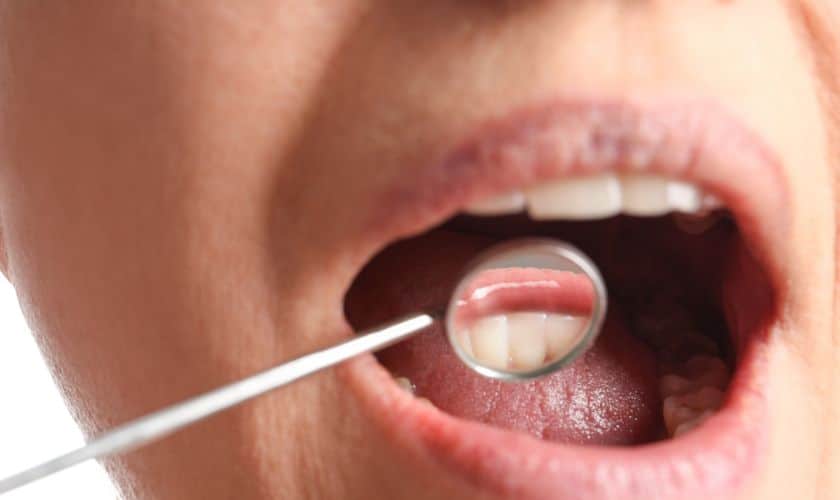
Diagnosis begins with a thorough examination by a healthcare professional, which may include a physical examination of the mouth, throat, and neck, as well as imaging tests like X-rays, CT scans, or MRIs. In some cases, a biopsy, where a small tissue sample is taken for laboratory analysis, is necessary to confirm the presence of cancer cells.
The Emotional Impact
Receiving a diagnosis of oral cancer can evoke a range of emotions, including fear, anxiety, sadness, and anger. It’s essential for patients to acknowledge and express these feelings, whether through open conversations with loved ones, seeking support from a therapist or counselor, or joining support groups with others facing similar challenges. Emotional well-being is an integral part of the healing process.
Exploring Treatment Options
Once diagnosed, the next step is to discuss treatment options with a healthcare team specialized in oncology and oral health. The choice of treatment depends on various factors, including the type and stage of cancer, the patient’s overall health, and their preferences.
Common treatment modalities for oral cancer include surgery, radiation therapy, chemotherapy, targeted therapy, and immunotherapy. In some cases, a combination of these approaches may be recommended to achieve the best possible outcome. The healthcare team will provide detailed information about each option, including potential side effects and long-term considerations, helping patients make informed decisions about their care.
Navigating the Treatment Journey
Undergoing treatment for oral cancer can be physically and emotionally demanding. Patients may experience side effects such as fatigue, nausea, loss of appetite, mouth sores, difficulty swallowing, and changes in taste or speech. It’s essential to communicate openly with the healthcare team about any symptoms or concerns, as they can offer support and guidance to manage side effects effectively.
Maintaining good nutrition and staying hydrated are crucial during treatment to support the body’s healing process and prevent complications. Patients may benefit from working with a dietitian to develop a customized meal plan tailored to their needs and preferences.
In addition to medical treatment, complementary therapies such as acupuncture, massage therapy, and mindfulness techniques can provide relief from symptoms and improve overall well-being.
The Road to Recovery
As treatment progresses, patients may experience a range of emotions, from hope and optimism to frustration and uncertainty. It’s essential to celebrate small victories along the way and stay focused on the goal of achieving remission or managing the disease effectively.
Regular follow-up appointments with the healthcare team are essential during the recovery phase to monitor progress, address any concerns, and adjust treatment as needed. In some cases, rehabilitation therapy may be recommended to help restore function and improve quality of life.
Throughout the journey, maintaining a strong support network of family, friends, and healthcare professionals is invaluable. They can provide encouragement, practical assistance, and emotional support, helping patients navigate the challenges of oral cancer with resilience and determination.
Conclusion
The journey from diagnosis to treatment for oral cancer is undoubtedly challenging, but it’s also a journey filled with hope, resilience, and the potential for healing. By seeking prompt medical attention, exploring treatment options, and building a strong support network, patients can navigate this difficult path with courage and determination. Remember, you are not alone in this journey, and together, we can overcome the challenges of oral cancer.