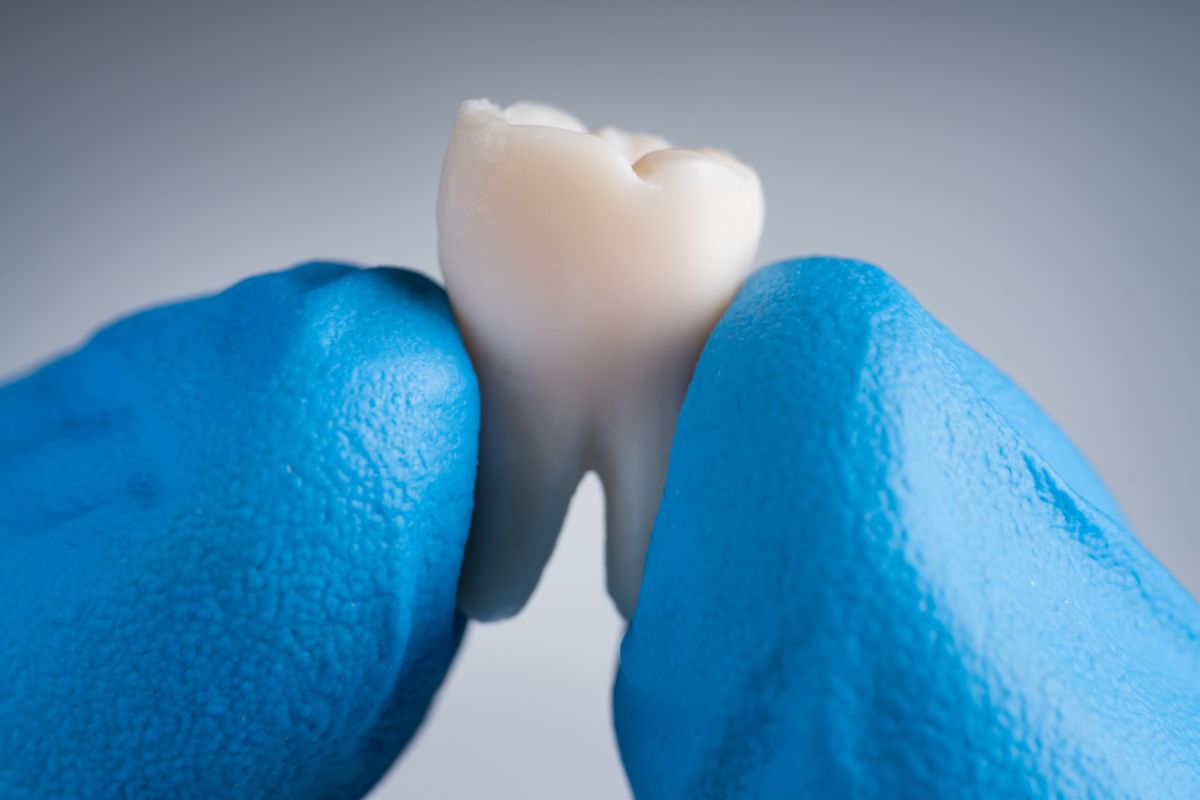
When a tooth becomes severely damaged, patients often wonder about tooth extraction vs save tooth options. At Legacy Dental SA in San Antonio, the decision should begin with a careful evaluation of the tooth, surrounding tissues, and available treatment options. Extraction can sometimes provide the appropriate solution, but dentists may also consider treatments that preserve the natural tooth.
The goal is not to choose a procedure based only on short-term convenience. Instead, your dental team needs to understand why the tooth is failing and whether it can be restored safely.
Understanding Tooth Extraction vs Save Tooth Decisions
The choice between removing a tooth and trying to restore it depends on several clinical factors. A dentist may examine the tooth, take X-rays, assess the surrounding bone, and consider the condition of the gums.
For patients searching for a trusted dentist, an important part of the conversation is understanding why a particular treatment is recommended.
A badly damaged tooth does not automatically require extraction. In some cases, a root canal and restoration can address infection or damage inside the tooth. However, some teeth have structural problems that make long-term restoration difficult or unrealistic.
That is why the decision should be based on the individual tooth rather than a general rule.
When a Tooth May Be Worth Saving
Natural teeth have a role in chewing, speaking, and maintaining the normal relationship between neighboring teeth. Therefore, dentists often consider restorative treatment when enough healthy tooth structure remains.
Several situations may allow a tooth to remain functional with treatment.
Deep infection
An infection inside the tooth does not always mean the tooth must come out. Root canal treatment can remove infected pulp, clean the internal spaces, and seal the tooth.
Significant decay
A tooth with extensive decay may still be restorable if enough healthy structure remains to support a filling, crown, or another restoration.
Dental trauma
A cracked or injured tooth sometimes requires specialized treatment. The exact location and depth of the damage can affect whether restoration remains possible.
Previous dental treatment
A tooth that has already received extensive dental work may need a different treatment plan. Your dentist may evaluate whether retreatment or another restorative option could help.
However, saving a tooth only makes sense when the tooth can remain healthy and functional after treatment.
When Extraction May Become Necessary
Although preserving a natural tooth can be desirable, not every tooth can be restored successfully. Extraction may become appropriate when damage has progressed beyond what restorative treatment can predictably address.
Severe structural damage
A tooth with extensive fractures or very little remaining structure may not provide enough support for a restoration.
Damage below the gumline
Some fractures extend into areas that make restoration extremely difficult. In these cases, the dentist may determine that keeping the tooth would not provide a reliable long-term result.
Advanced supporting tissue problems
The gums and bone surrounding a tooth matter too. If the supporting structures have suffered significant damage, the tooth may have limited stability.
Failed previous treatment
Sometimes a tooth continues to have problems after previous treatment. Your dentist may assess whether retreatment or another procedure could help before considering removal.
Ultimately, extraction should follow a clinical evaluation rather than a decision based solely on pain.
Why Pain Does Not Always Tell the Whole Story
Dental pain can be confusing. A painful tooth may still be treatable, while a tooth with little discomfort can have significant damage.
For example, an infected tooth may develop periods when symptoms become less noticeable. That does not necessarily mean the underlying problem has disappeared.
Similarly, sensitivity to hot or cold can have several causes. Your dentist needs to determine whether the problem involves decay, a damaged restoration, a crack, gum recession, or the tooth’s internal tissue.
Pain is a symptom, not a complete diagnosis.
Therefore, a professional examination matters before deciding between extraction and restorative treatment.
What Happens If the Tooth Can Be Saved?
When a tooth remains restorable, treatment may involve several steps.
Root canal treatment
If infection affects the pulp inside the tooth, root canal treatment can remove the infected tissue. The dentist then cleans and seals the internal space.
Filling or buildup
If enough tooth structure remains, a filling or buildup may restore part of the damaged tooth.
Dental crown
A crown may help protect a tooth that has lost significant structure. Your dentist will determine whether a crown is appropriate based on the tooth’s condition.
Follow-up care
Restoration is not the end of the process. You still need regular brushing, interdental cleaning, dental examinations, and appropriate preventive care.
Because every tooth has different damage, treatment may involve one or several of these steps.
What Happens After an Extraction?
If a tooth must be removed, the treatment plan should not necessarily end with the extraction. A missing tooth can affect chewing and may change the way nearby teeth interact.
Depending on the location and circumstances, your dentist may discuss replacement options such as:
- Dental implants
- Dental bridges
- Partial dentures
The right option depends on your oral health, bone condition, location of the missing tooth, overall treatment plan, and personal needs.
Why replacement may matter
Leaving a missing tooth without a treatment plan can affect how you chew. Nearby teeth may also move over time.
That does not mean every extracted tooth requires immediate replacement. Your dentist can explain the specific considerations for your situation.
Questions to Ask Before an Extraction
If your dentist recommends removing a tooth, take time to understand the reasoning.
Consider asking:
- Can this tooth be restored?
- What is causing the damage?
- Would root canal treatment be an option?
- How much healthy tooth structure remains?
- What does the X-ray show?
- What would happen if the tooth is removed?
- Should I see an endodontist for another evaluation?
- If extraction is necessary, what replacement options should I consider?
These questions can help you understand your choices before treatment begins.
When a second opinion may help
A second opinion can be useful when the treatment decision feels complex or you are unsure about the available options.
An endodontist specializes in diagnosing and treating diseases of the dental pulp and surrounding tissues. Depending on the case, a referral may provide additional information about whether a tooth can be restored.
Natural Tooth or Replacement: What Should You Consider?
The decision involves more than the procedure itself. Your dentist may consider:
Tooth structure: How much healthy tooth remains?
Root condition: Are the roots stable enough to support treatment?
Bone and gums: Can the surrounding tissues support the tooth?
Function: Does the tooth play an important role in chewing?
Long-term outlook: Can the proposed treatment provide a reasonable chance of maintaining the tooth?
Overall health: Do medical conditions or medications affect the treatment plan?
These factors help your dental team develop a plan that fits your individual needs.
Tooth extraction can become necessary when a tooth has severe damage, infection, structural problems, or insufficient support. However, some damaged teeth can remain functional after treatments such as root canal therapy and restoration. A proper examination helps determine which options are realistic for your specific tooth.
If you have been told that a tooth may need to be removed, Legacy Dental SA in San Antonio can evaluate the tooth and explain the available treatment options. Schedule your appointment to discuss your dental concerns.