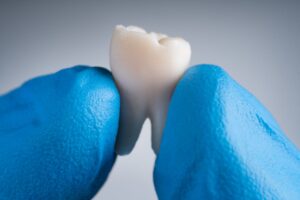
Knowing when wisdom teeth need to come out can help you avoid unnecessary pain and protect your overall oral health. For many people, these final molars cause no trouble. However, when they grow at an awkward angle, become trapped under the gums, or create repeated problems, removal may become the best option. In San Antonio, patients at Legacy Dental SA can discuss these concerns with Dr. Brian L. Eck and receive personalized guidance based on their oral health needs.
Why Do Wisdom Teeth Cause Problems?
Wisdom teeth usually appear in the late teenage years or early adulthood. They sit at the very back of the mouth, where space can become limited. Because of this, they may not grow straight or fully emerge through the gums.
Some people have enough room for these molars to develop normally. Others experience crowding, inflammation, decay, or infection.
For that reason, you should not assume that every back molar requires removal. Instead, a dentist can examine your mouth and use dental X-rays when needed to understand how the tooth sits below or around the gum tissue.
7 Signs Your Wisdom Teeth Need to Come Out
1. Persistent Pain at the Back of Your Mouth
Pain near the back molars is one of the most noticeable warning signs. You may feel a dull ache, pressure, or sharp discomfort around the jaw.
Sometimes the pain comes and goes. However, repeated discomfort deserves attention, especially when it becomes stronger over time.
Pain can occur because the tooth pushes against another molar, presses into surrounding tissue, or struggles to erupt properly.
If you keep reaching for pain relief because the same area hurts repeatedly, schedule a dental evaluation instead of ignoring the problem.
2. Swollen or Tender Gums
Inflamed gum tissue around a partially erupted molar can indicate a problem. You may notice that the gum feels sore when you brush or chew.
In some cases, a flap of gum tissue can cover part of the tooth. Food particles and bacteria can become trapped underneath that tissue, which may increase the risk of infection.
As a result, swelling around the back molars should not become something you simply learn to tolerate.
If you’re a San Antonio patient wondering whether your symptoms suggest that wisdom teeth need to come out, a dental examination can help identify the cause. At Legacy Dental SA, Dr. Brian L. Eck provides personalized dental care in San Antonio and has extensive experience helping patients address oral health concerns, including tooth extractions.
3. Difficulty Opening Your Mouth
A troublesome back molar can sometimes affect the surrounding gums and jaw. You might notice stiffness or discomfort when opening your mouth wide.
For example, eating a sandwich, yawning, or brushing the back of your mouth may suddenly feel uncomfortable.
Limited jaw movement can have several possible causes, so it does not automatically mean extraction is necessary. Nevertheless, when this symptom occurs along with pain or swelling, you should have the area checked.
4. Bad Breath or an Unpleasant Taste
Bad breath that does not improve with normal brushing, flossing, and tongue cleaning may point to a problem in an area that is difficult to clean.
Partially erupted back molars can create small spaces where food and bacteria collect. This buildup may contribute to an unpleasant taste or persistent mouth odor.
Therefore, do not treat ongoing bad breath as only a cosmetic concern. If it appears alongside gum tenderness, swelling, or pain, a dental examination can help determine whether an impacted or infected molar is responsible.
5. Repeated Gum Infections
An occasional irritated gum may settle down. However, repeated inflammation around the same back molar can signal a recurring problem.
You may experience:
- Red or swollen gum tissue
- Tenderness while chewing
- Pus or drainage near the gum
- An unpleasant taste
- Increased sensitivity around the area
- Pain that returns after temporarily improving
When these symptoms keep coming back, simply waiting for them to disappear may not solve the underlying issue.
A dentist can determine whether cleaning and monitoring are enough or whether removal would provide a more lasting solution.
6. Crowding or Pressure on Nearby Teeth
When there is not enough room at the back of the jaw, an emerging molar may push toward neighboring teeth.
You might notice pressure or discomfort in the back of your mouth. In some cases, the tooth may grow sideways, forward, or at another unusual angle.
This situation can make cleaning more difficult and may increase the risk of decay or gum problems around the neighboring molar.
However, you cannot determine the tooth’s position simply by looking in a mirror. Dental X-rays can provide a clearer picture of how the tooth sits beneath the gums.
7. Damage or Decay Around the Back Molar
The location of these teeth makes them challenging to clean. A toothbrush may not easily reach the farthest back surface, while flossing can become difficult when the tooth sits at an unusual angle.
Over time, plaque and food debris can contribute to decay. In addition, a neighboring tooth can develop problems if the emerging molar creates a difficult-to-clean space.
If a back molar develops significant decay or contributes to damage around another tooth, your dentist may discuss extraction along with other treatment possibilities.
When Is Removal Usually Considered?
Not every person needs an extraction. In fact, a healthy, properly positioned molar that causes no symptoms may simply need regular monitoring.
On the other hand, a dentist may recommend removal when the tooth creates a clear risk to your oral health.
Common Reasons for Extraction
A dental professional may consider removal when there is:
- Repeated infection or gum inflammation
- Significant tooth decay
- An impacted or poorly positioned tooth
- Damage to a neighboring tooth
- Persistent pain or swelling
- Cysts or other changes around the tooth
- Difficulty maintaining proper hygiene around the area
The decision should always come from an individual examination rather than from age alone.
Can You Keep Problem-Free Wisdom Teeth?
Yes, sometimes.
If a back molar grows in a healthy position, remains easy to clean, and does not harm nearby teeth or gums, your dentist may recommend monitoring it instead of removing it.
Regular dental checkups become especially important in this situation. Your dentist can watch for changes that you may not notice at home.
This approach also highlights why you should not compare your mouth with a friend or family member. Two people can have very different jaw sizes, tooth positions, and oral health needs.
What Happens During a Dental Evaluation?
If you experience symptoms, your dentist will first examine your mouth and ask about your discomfort. The dental team may also recommend X-rays to understand the position of the tooth and its relationship with nearby structures.
Your Dentist May Check For:
- Gum swelling
- Signs of infection
- Tooth decay
- Damage to nearby teeth
- Tooth position and eruption
- Jaw discomfort
- Areas that are difficult to clean
After the evaluation, the dentist can explain whether monitoring, preventive care, or extraction makes the most sense.
At Legacy Dental SA, Dr. Brian L. Eck has practiced dentistry in San Antonio for more than 40 years. The practice also provides tooth extractions and oral surgery services, with a focus on patient comfort and individualized care.
What Should You Do If You Have Symptoms?
Do not wait for severe pain before seeking professional advice. Early evaluation can help identify problems before they become more complicated.
In the meantime, continue brushing twice daily and cleaning between your teeth. Pay special attention to the back of your mouth, but avoid aggressively brushing swollen or painful gum tissue.
If you develop significant swelling, severe pain, fever, difficulty swallowing, or difficulty breathing, seek urgent dental or medical care. These symptoms can indicate a more serious infection that needs prompt attention.
The Bottom Line
Understanding the signs that wisdom teeth need to come out can help you make smarter decisions about your oral health. Persistent pain, swollen gums, recurring infections, bad breath, difficulty opening your mouth, crowding, and decay can all signal that a back molar needs professional evaluation.
Still, symptoms alone do not determine whether extraction is necessary. Some people can keep healthy, properly positioned molars without problems, while others may benefit from removal.
For personalized care in San Antonio, Legacy Dental SA provides dental evaluations and tooth extraction services under the care of Dr. Brian L. Eck.
Schedule your appointment with Legacy Dental SA to have your symptoms evaluated and learn whether extraction is the right choice for your smile.