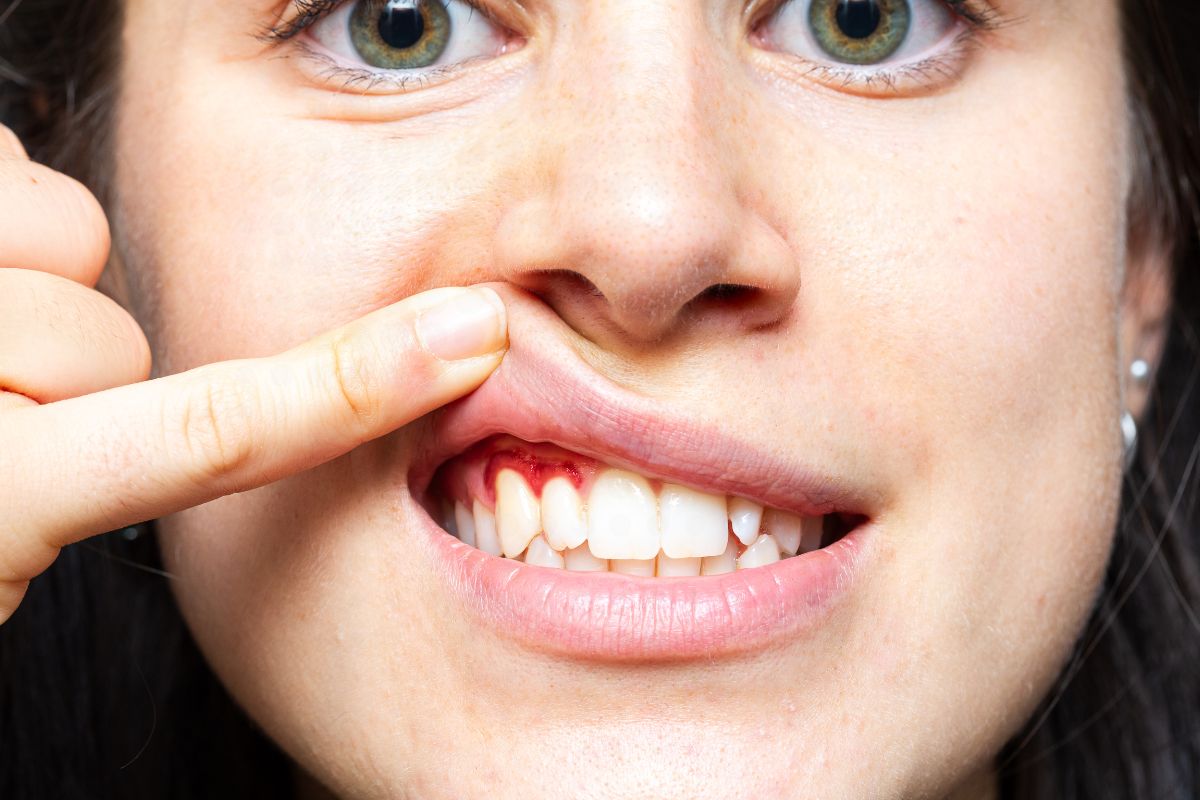
Bleeding gums after an injury can feel alarming, especially when it happens suddenly after a fall, sports accident, or even biting down too hard. In the first few moments, mild bleeding may not seem serious. However, knowing when it signals a deeper dental problem can protect your oral health and prevent long-term issues. This guide explains why it happens, what you can do right away, and when professional care becomes essential.
Understanding Bleeding Gums After an Injury
An injury to the mouth often affects the soft tissues first. The gums are sensitive and contain many small blood vessels, so even minor trauma can cause bleeding. Common causes include:
-
Accidental falls or collisions
-
Sports-related impacts
-
Chewing hard foods or ice
-
Improper use of dental tools, such as toothpicks
-
Ill-fitting dental appliances
At times, the bleeding stops quickly with simple care. Still, if it continues or worsens, it may indicate damage beyond the surface.
Immediate Steps to Take After a Gum Injury
Acting quickly can limit discomfort and reduce the risk of infection. Follow these steps right after the injury:
-
Rinse your mouth gently with clean water to remove debris
-
Apply light pressure with clean gauze for 10–15 minutes
-
Use a cold compress on the outside of the mouth to reduce swelling
-
Avoid hot foods and drinks for several hours
-
Do not poke or scratch the injured area
If the bleeding slows down and the pain improves, home care may be enough. On the other hand, persistent symptoms deserve closer attention.
Signs That Need Professional Attention
Not every gum injury heals on its own. You should monitor symptoms closely over the next 24–48 hours. Seek dental care if you notice:
-
Bleeding that does not stop after 20 minutes of pressure
-
Increasing pain or swelling
-
A loose tooth or change in bite
-
Deep cuts or torn tissue
-
Pus, bad taste, or signs of infection
These signs suggest damage that home remedies cannot fix. Early treatment can prevent complications and speed up recovery.
Why Ongoing Bleeding Should Not Be Ignored
Although trauma often triggers bleeding, underlying oral health issues can make it worse. For example, inflammation or infection can delay healing. As a result, even a small injury may bleed more than expected.
In addition, untreated injuries can lead to:
-
Gum infections
-
Tooth instability
-
Delayed healing
-
Higher risk of future problems
Addressing the issue early keeps your smile healthy and reduces the need for complex treatment later.
Personalized Care Matters After a Gum Injury
After the initial shock, many people search online for advice and delay professional help. However, personalized evaluation makes a real difference. If you experience bleeding gums after an injury, our dentists at Legacy Dental SA focus on careful assessment and patient-first care. We understand that every injury is different, so treatment plans are tailored to your comfort, lifestyle, and long-term oral health goals.
By choosing timely care, you gain peace of mind and avoid unnecessary complications.
How a Dentist Evaluates Gum Injuries
During your visit, the dentist will:
-
Examine the injured area closely
-
Check for hidden damage to teeth or bone
-
Clean the area to prevent infection
-
Recommend treatment, such as medication or minor procedures
In some cases, imaging may be required to rule out deeper trauma. This thorough approach ensures nothing gets overlooked.
Treatment Options You May Receive
Treatment depends on the severity of the injury. Common options include:
-
Professional cleaning of the affected area
-
Medications to control infection or inflammation
-
Sutures for deep cuts
-
Bite adjustment if trauma has affected alignment
-
Follow-up visits to monitor healing
Each step focuses on comfort, healing, and preventing future problems.
How to Protect Your Gums From Future Injuries
Prevention always plays a key role in oral health. To reduce the risk of future injuries:
-
Wear a mouthguard during sports
-
Avoid chewing on very hard objects
-
Maintain regular dental checkups
-
Practice gentle brushing and flossing
-
Replace worn dental appliances
These habits help keep your mouth resilient and ready to heal quickly if accidents occur.
When Children or Seniors Need Extra Care
Certain age groups require special attention. Children often experience mouth injuries during play, while seniors may have thinner tissues or existing dental work. In both cases, prompt evaluation ensures safe healing and prevents complications.
Know When to Act for a Healthier Smile
Bleeding after a gum injury can be unsettling, but the right response can make all the difference. While minor injuries often heal with simple care, ongoing symptoms should never be ignored. Paying attention to warning signs and seeking timely help protects both comfort and oral health.
If you or a loved one experiences concerning symptoms, we encourage you to visit our dental office at Legacy Dental SA for expert evaluation and compassionate care. Scheduling an appointment allows our team to guide you toward proper healing and long-term oral wellness. Your smile deserves prompt attention—take the next step toward relief and confidence today.